
Curtains are an essential element in hotel interior design. While they may appear to be simple decorative items, they actually play a critical role in shaping the comfort, privacy, and overall atmosphere of a guest room. Hotels carefully select curtain styles, fabrics, and installation methods to ensure guests enjoy a relaxing and functional space during their stay.
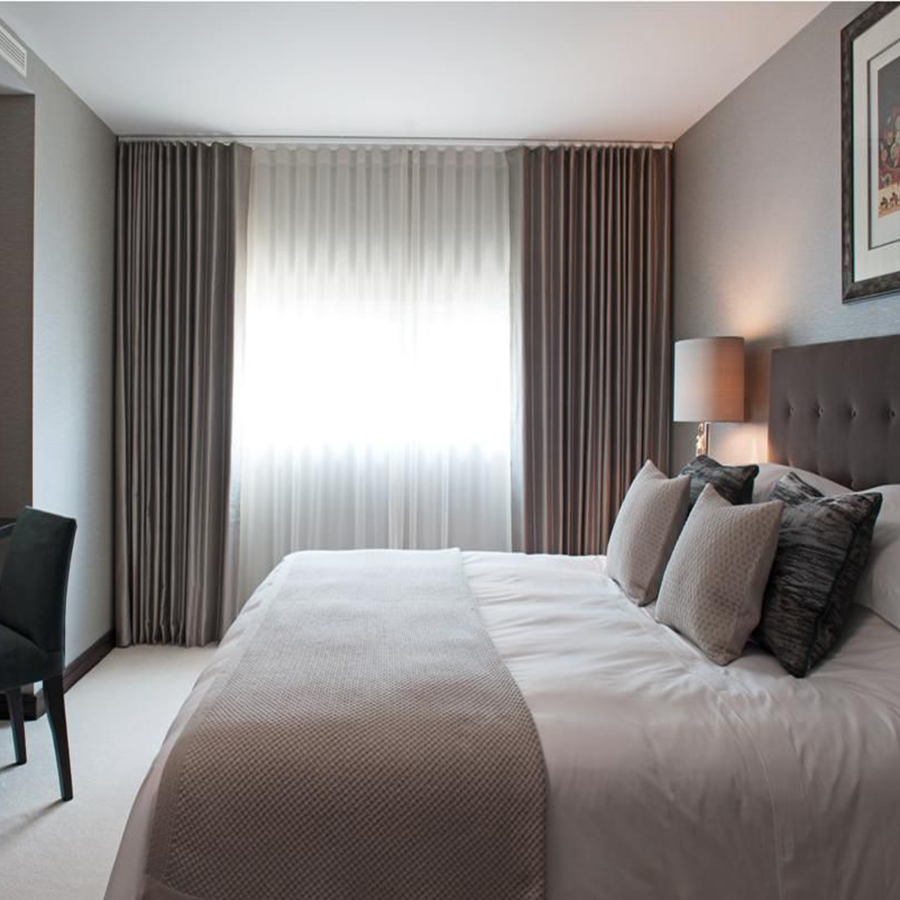
Well-designed curtains contribute to sleep quality, light control, room aesthetics, and even energy efficiency. In hospitality environments, where guest satisfaction is a top priority, curtain design decisions must balance practicality with visual appeal. Understanding the design considerations behind hotel curtains can help explain why they are such an important component of modern hospitality interiors.
Understanding the importance of curtain design in improving hotel guest comfort and overall room atmosphere
Curtain design directly influences how guests experience a hotel room. When guests enter a room, curtains often occupy a large visual area, making them one of the first design features noticed. Their color, texture, and style contribute to the atmosphere and overall mood of the space.
In addition to visual impact, curtains provide functional comfort in several ways:
- Regulating natural light entering the room
- Providing privacy for guests
- Helping maintain room temperature
- Contributing to sound absorption
- Enhancing the feeling of relaxation and calm
For hotels in large metropolitan destinations such as Abu Dhabi, interior designers often study the principles used in spaces featuring hotel curtains abu dhabi to understand how curtain selection influences guest perception of luxury and comfort.
A carefully designed curtain system ensures that guests can easily adjust the room environment according to their preferences.
Key functional features hotels look for when selecting curtains for guest rooms and suites
Hotels must consider many practical factors when choosing curtains. Unlike residential spaces, hotel rooms experience constant use by different guests, which means durability and functionality are essential.
Important features hotels typically prioritize include:
- Blackout capability: Ensures guests can sleep without external light disturbances.
- Smooth operation: Curtains must open and close easily.
- Durability: Materials must withstand frequent use and cleaning.
- Fire resistance: Hospitality regulations often require fire-retardant fabrics.
- Layering systems: Combining sheer and blackout curtains provides flexibility.
Hotels also select curtain hardware designed to operate quietly, preventing disturbances during early morning or late-night adjustments.
These functional features help create an environment where guests can control lighting and privacy effortlessly.
How curtain materials influence privacy, light control, and sound absorption in hotel environments
The material used in hotel curtains significantly affects how they perform in real-world conditions. Designers often select fabrics that balance visual elegance with practical functionality.
Common curtain materials used in hospitality settings include:
- Polyester blends for durability
- Cotton-based fabrics for a softer appearance
- Heavy woven textiles for blackout performance
- Sheer fabrics for daylight filtering
In some hospitality design discussions, materials similar to those used in residential interiors, such as cotton curtains dubai, are referenced when exploring breathable fabrics that provide a natural and relaxed aesthetic.
Different fabrics offer different benefits:
Light Control
- Thick fabrics block sunlight effectively.
- Sheer fabrics diffuse natural light.
Privacy
- Dense fabrics prevent outside visibility.
- Layered curtains allow flexible privacy levels.
Sound Absorption
- Heavy textiles can reduce external noise.
- Fabric folds help absorb echoes inside the room.
Choosing the right fabric ensures that curtains serve both aesthetic and functional roles.
Design elements that help hotel curtains complement modern and traditional interior themes
Curtains are often used to tie together the visual elements of a hotel room. Their design must complement furniture, wall colors, flooring, and overall architectural style.
Common design considerations include:
Color Coordination
Neutral tones such as beige, grey, and soft brown are commonly used in hotel interiors. These colors create a calm environment while remaining adaptable to different design themes.
Pattern Selection
Some hotels use subtle patterns to add texture without overwhelming the space. Minimalistic designs work well in modern interiors, while traditional hotels may choose more decorative fabrics.
Curtain Length and Volume
Full-length curtains that reach the floor create a sense of elegance and vertical space. Generous folds also give curtains a luxurious appearance.
Hardware and Track Systems
The rods, tracks, and brackets used for curtains are often hidden or designed to blend seamlessly with the room’s architecture.
By carefully combining these design elements, hotel interiors achieve a balanced and cohesive appearance.
The role of blackout fabrics in enhancing sleep quality for hotel guests staying overnight
Sleep quality is one of the most important aspects of guest satisfaction. Travelers often arrive tired from long journeys or time zone changes, making restful sleep a priority.
Blackout curtains play a major role in supporting this goal.
Benefits of blackout fabrics include:
- Blocking early morning sunlight
- Preventing street lighting from entering the room
- Creating a dark environment that promotes deeper sleep
- Improving privacy in urban hotel locations
Blackout curtains are typically paired with sheer layers so guests can choose between complete darkness and soft daylight.
This flexibility allows guests to control the room environment according to their personal preferences.
Maintenance considerations hotels should evaluate when choosing long-lasting curtain fabrics
Hotel curtains require regular cleaning and maintenance due to constant guest turnover. Choosing fabrics that are easy to maintain helps ensure long-term performance and cleanliness.
Key maintenance considerations include:
- Resistance to dust accumulation
- Fabric durability after repeated washing
- Color retention over time
- Wrinkle resistance
- Ease of installation and removal
Maintenance teams often follow scheduled cleaning routines to ensure curtains remain hygienic and visually appealing.
Proper maintenance also helps extend the lifespan of curtain fabrics and reduces replacement costs over time.
How curtain layering techniques improve visual depth and practical functionality in hotels
Layered curtain systems are widely used in hospitality design because they combine aesthetic appeal with practical benefits.
A typical hotel curtain setup includes:
- Sheer curtains
- Blackout curtains
Each layer serves a different purpose.
Sheer Curtains
- Allow natural daylight to enter
- Provide soft privacy during daytime
- Add texture to the window area
Blackout Curtains
- Block external light
- Improve sleep quality
- Increase privacy during nighttime
Layered curtains also create visual depth by adding multiple fabric textures and folds around the window.
Designers often explore layered window treatments when studying interior solutions related to window blinds repair, since both curtains and blinds can work together to provide flexible light control.
This combination allows guests to personalize the room environment throughout the day.
Common mistakes to avoid when selecting curtains for hospitality interior design projects
Selecting the wrong curtain style or material can negatively impact both aesthetics and functionality. Designers and hotel managers should avoid several common mistakes.
Choosing fabrics that are too delicate
Highly delicate materials may look attractive but can wear out quickly in high-use hotel environments.
Ignoring room lighting conditions
Rooms facing strong sunlight require thicker fabrics or blackout curtains.
Using colors that clash with interior themes
Curtains should enhance the room design rather than overpower it.
Selecting complicated operating systems
Curtains should open and close smoothly without confusing mechanisms.
Overlooking maintenance needs
Fabrics that require specialized cleaning may increase long-term maintenance costs.
Designers sometimes analyze door and window solutions, such as systems referenced in discussions about folding door dragon mart, when considering how window coverings interact with architectural elements in hospitality spaces.
Avoiding these mistakes ensures curtains remain both practical and visually appealing.
Conclusion
Hotel curtains are far more than decorative accessories. They are essential design elements that influence comfort, sleep quality, privacy, and the visual identity of guest rooms. By carefully selecting fabrics, colors, and curtain systems, hotels create environments that feel welcoming, functional, and relaxing for travelers.
Thoughtful curtain design also improves lighting control, enhances interior aesthetics, and contributes to a more enjoyable guest experience. When these design considerations are properly implemented, curtains become an integral part of the hospitality experience.
FAQs
What features make curtains suitable for hotel guest rooms?
Curtains in hotel rooms should provide privacy, light control, durability, and easy operation. Blackout capability and layered designs are also commonly used to improve guest comfort.
Why are blackout curtains commonly used in hotels?
Blackout curtains block external light from street lamps or early sunrise. This helps guests sleep better and creates a darker environment for relaxation.
How do curtain materials affect guest comfort in hotels?
Curtain materials influence light filtering, sound absorption, insulation, and privacy. Heavier fabrics provide better darkness and noise reduction, while lighter fabrics allow soft daylight.
What design factors should hotels consider when choosing curtains?
Hotels should consider color coordination, fabric durability, maintenance requirements, curtain length, and compatibility with the room’s overall interior style.
How can curtains influence the overall ambiance of a hotel room?
Curtains add texture, color, and visual balance to the room. Their design can create a calm atmosphere, a luxurious feel, or a modern aesthetic depending on the chosen style.
What maintenance practices keep hotel curtains in good condition?
Regular cleaning, fabric inspection, proper installation, and scheduled maintenance help ensure curtains remain hygienic, functional, and visually appealing over time.
