
Curtains are an important element in interior design, influencing not only the appearance of a room but also its comfort, lighting, and privacy. Among the many curtain styles available today, extra long curtains have become increasingly popular in modern homes and commercial interiors. Their dramatic length and elegant appearance can transform ordinary spaces into visually striking environments.
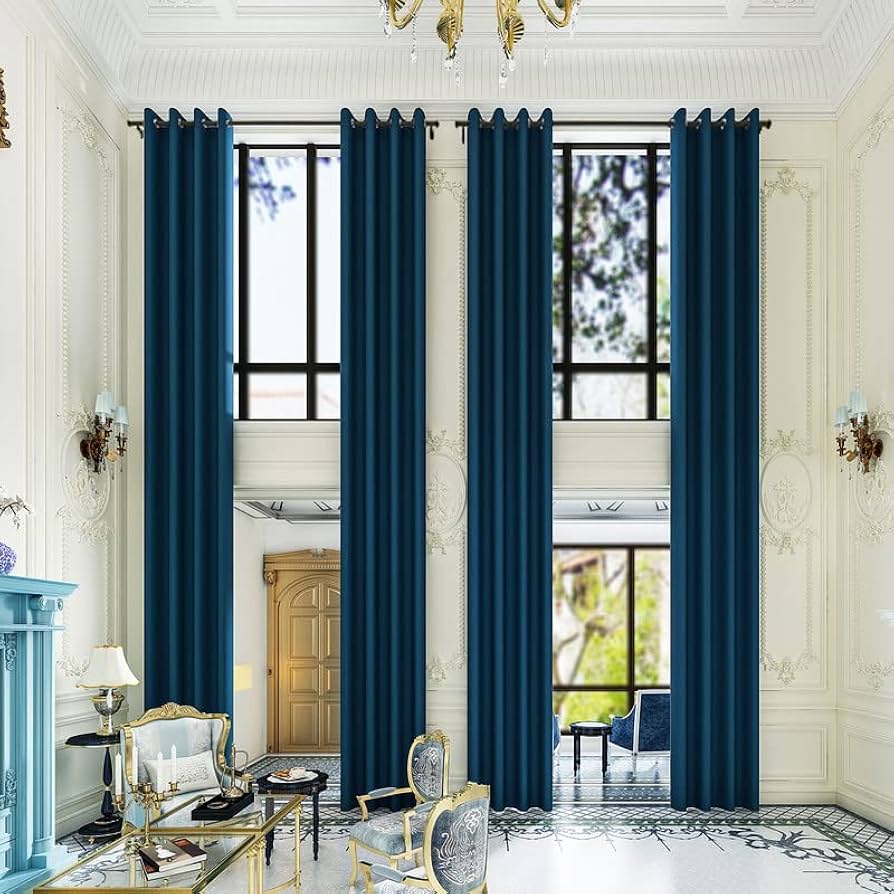
Extra long curtains typically extend from ceiling height to the floor, sometimes even pooling slightly on the ground. This design technique creates a sense of vertical space and sophistication that standard-length curtains may not achieve. Designers frequently use them to make rooms appear taller, brighter, and more luxurious while maintaining practical control over natural light and privacy.
Understanding when and how to use extra long curtains helps homeowners, decorators, and designers create balanced interiors that feel both functional and visually appealing.
Understanding what extra long curtains are and why they are used in modern interior design layouts
Extra long curtains are window coverings designed to extend beyond the typical window frame height. Instead of starting directly above the window, they are often installed close to the ceiling and extend all the way to the floor. This creates a continuous vertical line that visually enlarges the room.
Interior designers frequently recommend long curtains because they add elegance without requiring major structural changes to a space. Even in smaller rooms, this technique can create the illusion of higher ceilings and larger windows.
In many interior design discussions, curtain specialists analyze design examples similar to those found in guides about extra long curtains to understand how curtain height affects spatial perception and decorative balance.
Common reasons designers use extra long curtains include:
- Creating a taller visual effect in the room
- Enhancing the elegance of large windows
- Softening architectural edges
- Adding dramatic visual flow
- Improving light filtering across a wider surface
Because they cover a larger area, these curtains also contribute to improved insulation and light control.
How ceiling height and window placement influence the need for longer curtain styles
Ceiling height plays a major role in determining whether extra long curtains are appropriate for a room. Rooms with high ceilings naturally benefit from longer curtain installations because the fabric helps fill vertical space.
Even in rooms with average ceiling heights, installing curtain rods closer to the ceiling can produce a visually taller appearance.
Several architectural factors influence the decision to use long curtains:
Ceiling Height
Rooms with ceilings above standard height often require longer curtains to maintain visual proportion.
Window Placement
Windows positioned low on the wall may look more balanced when curtains extend from the ceiling rather than from the top of the window frame.
Wall Width
Large walls with wide windows often benefit from long curtains that extend beyond the window edges, helping frame the view and soften architectural lines.
Room Proportions
Designers consider how curtains interact with furniture, wall décor, and lighting elements to ensure the overall composition feels balanced.
These design decisions help determine the correct curtain length and installation approach.
The visual impact of floor-to-ceiling curtains in creating elegant and spacious interiors
Floor-to-ceiling curtains are one of the most effective design techniques for creating a sophisticated interior atmosphere. Their vertical flow draws the eye upward, making the room feel taller and more open.
When properly installed, these curtains create a sense of continuity between the ceiling and floor, eliminating visual breaks that might make a room appear smaller.
Some of the key visual benefits include:
- Making ceilings appear higher
- Enhancing natural light distribution
- Creating a luxurious hotel-style atmosphere
- Framing windows as architectural focal points
- Adding soft textures that balance hard surfaces
In many modern interiors, designers pair long curtains with contemporary window systems. For example, spaces with wide openings or partition systems sometimes reference architectural concepts related to sliding door dragon mart designs when planning how curtains will complement large glass surfaces.
This coordination helps maintain visual harmony between structural elements and decorative fabrics.
Different fabric types that work best for extra long curtains in residential spaces
Fabric selection is crucial when choosing extra long curtains. Because the fabric extends over a large vertical area, its weight, texture, and flexibility significantly influence how the curtains hang and move.
Some fabrics are better suited for long curtain installations.
Common Fabric Choices
Cotton and Cotton Blends
- Lightweight and breathable
- Easy to maintain
- Suitable for casual interiors
Interior designers sometimes explore examples similar to lace curtains when considering delicate fabric layers that enhance decorative softness while allowing natural light to filter through.
Velvet or Heavy Fabrics
- Excellent for blackout curtains
- Provide luxurious folds
- Improve sound insulation
Linen
- Creates relaxed and natural textures
- Ideal for modern and minimalist interiors
Polyester Blends
- Durable and wrinkle-resistant
- Common in both residential and hospitality settings
Choosing the right fabric ensures that extra long curtains maintain their shape and elegance over time.
How proper curtain measurements ensure balanced proportions and professional results
Accurate measurements are essential when installing extra long curtains. Even a small measurement error can affect how the curtains hang and how balanced the room appears.
Design professionals typically follow a precise measuring process.
Step-by-Step Measurement Process
- Measure ceiling height carefully
This determines the maximum curtain length. - Decide rod placement
Curtain rods are often installed several inches below the ceiling. - Measure floor distance
Curtains can either touch the floor or gently pool on it. - Determine curtain width
Curtains should be wider than the window frame to allow full coverage. - Allow fabric fullness
Designers often use fabric that is 1.5 to 2 times wider than the window.
Correct measurements ensure curtains hang smoothly and create the intended visual effect.
Ways extra long curtains improve natural light control and interior privacy
Extra long curtains offer more flexibility in managing daylight and privacy throughout the day. Because they cover the entire vertical space around the window, they allow precise adjustments to light exposure.
Key benefits include:
Better Light Filtering
Sheer layers soften sunlight while still allowing brightness to enter the room.
Improved Night Privacy
Heavy curtain layers block outside visibility when fully closed.
Reduced Glare
Curtains help control glare from direct sunlight, especially in rooms with large windows.
Temperature Regulation
Thicker fabrics help prevent heat from entering during hot weather and retain warmth during cooler seasons.
In certain interior planning discussions, curtain installations are sometimes compared with decorative window treatment solutions associated with sedar abu dhabi styles, which also emphasize balancing elegance with practical window coverage.
These considerations help ensure that window treatments support both visual and functional comfort.
Styling techniques designers use when installing long curtains in living rooms and bedrooms
Interior designers often use several styling techniques to ensure extra long curtains enhance the room’s overall design.
Ceiling-Mounted Rods
Installing curtain rods close to the ceiling creates the illusion of taller walls.
Extended Curtain Width
Curtains that extend beyond the window frame make windows appear larger.
Fabric Pooling
Allowing curtains to gently pool on the floor adds a luxurious and dramatic look.
Layered Curtains
Combining sheer and blackout fabrics offers flexibility and visual depth.
Color Harmony
Curtain colors are selected to complement furniture, walls, and flooring.
These techniques help create cohesive interiors where curtains feel like an integrated part of the design rather than a separate decorative element.
Maintenance tips that help keep long curtains clean and wrinkle-free over time
Because extra long curtains cover a large surface area, they require regular maintenance to remain clean and visually appealing.
Some practical maintenance tips include:
- Vacuum curtains periodically to remove dust
- Follow recommended washing instructions for the fabric
- Use steam cleaning to remove wrinkles
- Ensure curtain rods remain secure
- Avoid dragging fabric excessively on the floor
Proper care helps preserve the curtain’s texture, color, and shape.
Regular maintenance also ensures that the fabric continues to hang evenly and maintain its intended design effect.
Conclusion
Extra long curtains are a powerful design element that combines visual elegance with practical functionality. By extending from ceiling to floor, they create a sense of height, spaciousness, and sophistication that enhances both modern and traditional interiors.
From selecting the right fabric to measuring accurately and maintaining the curtains properly, each step contributes to achieving the desired aesthetic and performance. When thoughtfully integrated into a room’s design, extra long curtains can dramatically improve both the appearance and comfort of interior spaces.
FAQs
What are extra long curtains used for in interior design?
Extra long curtains are used to create a taller visual effect in rooms, enhance window presentation, and add elegance to interior spaces. They also improve light control and privacy.
How do extra long curtains affect the look of a room?
They draw the eye upward, making ceilings appear higher and spaces feel larger. Their flowing fabric also adds softness and decorative texture to interiors.
What is the ideal curtain length for tall windows?
The ideal length usually extends from near the ceiling to the floor. Some designs allow the curtain fabric to gently touch or slightly pool on the floor for a more dramatic effect.
Which fabrics work best for long curtains?
Cotton blends, linen, velvet, and polyester fabrics are commonly used. The choice depends on the desired appearance, light control, and maintenance requirements.
Can extra long curtains improve natural light control?
Yes. When layered with sheer fabrics or blackout materials, long curtains allow users to adjust lighting levels throughout the day.
How should extra long curtains be measured before installation?
Measurements should start from the curtain rod placement near the ceiling down to the floor. Curtain width should also be wider than the window to allow full coverage and natural folds.
