
Designing an office environment involves many elements that influence productivity, comfort, and professional appearance. Among these elements, window treatments often play a surprisingly important role. Curtains and blinds are not only decorative additions but also practical tools that help control light, improve privacy, and create a balanced workspace atmosphere.
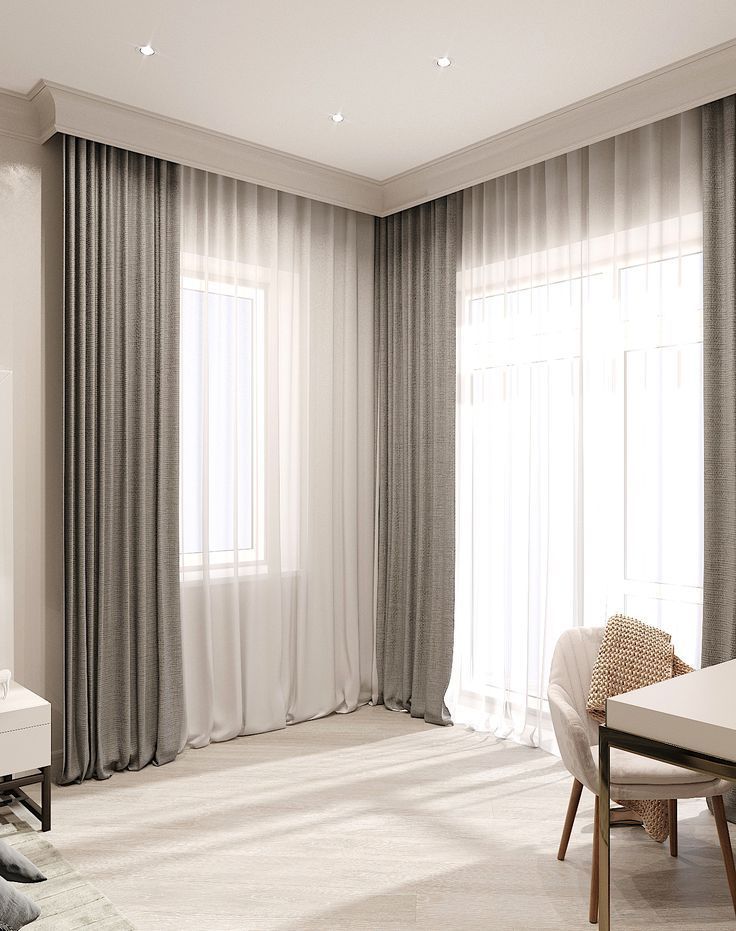
When businesses plan their interior layout, window coverings are often chosen after furniture and lighting. However, thoughtful planning of curtain design for office can significantly enhance how a workplace functions throughout the day. From managing sunlight to supporting employee comfort, well-designed office curtains contribute to a more efficient and pleasant environment.
Understanding how office window treatments work and how they integrate with the overall design can help companies make smarter interior decisions that support both aesthetics and functionality.
Understanding how workplace curtain layouts influence productivity, lighting balance, and employee comfort throughout the day
Lighting conditions directly influence employee performance and well-being. Excessive sunlight can cause glare on computer screens, while insufficient daylight may create a dull and tiring atmosphere.
Curtain layouts help regulate the balance between natural light and indoor comfort. By adjusting coverage, employees can reduce eye strain and maintain consistent lighting throughout the workday.
Workplace curtains support productivity in several ways:
- Reducing screen glare during peak sunlight hours
- Creating softer ambient lighting across the office
- Preventing excessive heat buildup near windows
- Improving visual comfort for employees working long hours
Design also affects mood and focus. Neutral colors and simple textures help create a calm environment that supports concentration. When curtains complement the office interior, they contribute to a cohesive workspace that feels professional and organized.
Key functional elements to consider when planning window coverings for professional office environments
Choosing office curtains involves more than selecting fabric. Businesses must consider several practical factors that affect how the window treatments perform daily.
Important elements include:
- Light control: Curtains should allow flexible adjustment depending on the time of day.
- Durability: Office spaces experience daily use, requiring strong materials that maintain their shape.
- Ease of operation: Employees should easily adjust the window coverings without disrupting workflow.
- Maintenance: Materials should resist dust accumulation and remain easy to clean.
Hardware also plays an important role in functionality. The installation system supporting the fabric determines how smoothly the curtains operate. For example, well-designed curtains rails allow effortless opening and closing, helping maintain consistent lighting conditions without requiring constant adjustments.
These structural elements may seem minor, but they strongly influence the daily usability of office window treatments.
How natural light management through thoughtful window treatments improves focus and reduces glare in offices
Natural light improves mood, reduces fatigue, and supports healthier working environments. However, uncontrolled sunlight can cause several issues in office settings.
Common problems include:
- Computer screen reflections
- Uneven lighting across desks
- Increased indoor temperatures
- Difficulty maintaining visual comfort
Curtains help solve these issues by filtering sunlight rather than blocking it entirely. Light-filtering fabrics soften harsh daylight while still allowing brightness to enter the room.
In modern offices, layered window treatments are often used. This approach combines sheer fabrics with thicker curtains to create adjustable lighting control throughout the day.
In some workplaces, alternatives like aluminium blinds are used alongside curtains to allow precise control over sunlight direction. This flexibility allows employees to adjust their work environment quickly without disrupting productivity.
When natural light is properly balanced, employees experience fewer visual distractions and greater focus.
Differences between minimalist, modern, and corporate window styling approaches used in professional interiors
Office interior styles vary widely depending on the organization’s culture and industry. Window treatments must complement the overall design theme to maintain visual harmony.
Three common approaches include:
Minimalist Style
Minimalist offices prioritize simplicity and functionality. Window coverings typically feature:
- Neutral color palettes
- Clean lines
- Lightweight fabrics
- Subtle hardware systems
This approach emphasizes uncluttered spaces and soft natural lighting.
Modern Office Style
Modern workplaces often integrate contemporary materials and sleek textures. Window treatments in these environments may include:
- Layered fabrics
- Textured materials
- Motorized curtain systems
- Integrated light-filtering solutions
The goal is to combine aesthetics with advanced functionality.
Corporate Style
Traditional corporate offices emphasize professionalism and structure. Curtains in these settings tend to feature:
- Darker tones or neutral shades
- Heavier fabrics
- Structured pleats
- Symmetrical designs
Each style communicates a different workplace identity, making curtain design an important component of office branding.
The role of materials, textures, and colors in shaping the atmosphere of a productive office workspace
Materials strongly influence how an office space feels. Soft fabrics create warmth and comfort, while smooth surfaces provide a sleek and professional look.
When selecting curtain materials, designers often consider:
- Light filtering ability
- Texture and visual weight
- Resistance to fading
- Durability in high-use environments
Color also plays an important role. For example:
- Neutral tones encourage focus and reduce distractions.
- Soft earth colors create a calm working environment.
- Light shades reflect daylight and brighten interior spaces.
High-end office environments sometimes incorporate premium fabrics similar to those found in luxury curtains dubai interiors. While the primary purpose remains functional, quality materials can subtly elevate the overall atmosphere of executive offices and meeting rooms.
Selecting the right combination of material and color helps create a workspace that feels both professional and comfortable.
How privacy, light control, and acoustic comfort affect window treatment decisions in office planning
Privacy is a major concern in many workplaces, especially in meeting rooms, executive offices, and collaborative areas.
Curtains can help create private environments where employees can focus or hold confidential discussions without distractions from outside views.
Privacy solutions may include:
- Opaque curtain fabrics
- Layered curtain systems
- Adjustable blinds combined with curtains
- Floor-to-ceiling window coverings
In addition to visual privacy, curtains can also improve acoustic comfort. Fabric materials absorb some sound reflections, helping reduce echo in rooms with large glass surfaces.
This effect becomes particularly valuable in conference rooms or open-plan offices where conversations and phone calls occur frequently.
By addressing both visual and acoustic privacy, well-designed window treatments help maintain a comfortable and productive work environment.
Practical tips for selecting durable window solutions suitable for high-traffic workplace environments
Office spaces experience constant daily use. Curtains must withstand frequent adjustments while maintaining their appearance over time.
Here are several practical tips when choosing durable office window treatments:
- Choose strong fabrics that resist stretching and fading.
- Select stain-resistant materials that remain clean in busy environments.
- Install reliable hardware systems that allow smooth operation.
- Prioritize easy maintenance to simplify cleaning routines.
- Consider automation options for large windows or conference rooms.
Durability ensures that window treatments continue performing well even after years of use. This reliability reduces the need for frequent replacements and supports consistent workplace functionality.
Common design mistakes businesses make when planning window coverings for professional settings
Despite the importance of window treatments, some offices overlook key planning considerations.
Common mistakes include:
- Choosing decorative curtains without considering light control
- Ignoring the direction of sunlight when selecting materials
- Installing curtains that are difficult to operate
- Selecting colors that clash with the overall interior design
- Failing to account for privacy requirements
Another frequent issue involves inconsistent window treatments across different rooms. Maintaining design consistency throughout the office helps reinforce a cohesive and professional appearance.
Careful planning and thoughtful selection prevent these issues and ensure window treatments contribute positively to the workspace.
Conclusion
Curtain design plays a more important role in office environments than many people realize. Beyond their decorative function, window treatments help regulate light, improve privacy, and create a comfortable workspace for employees.
By carefully considering materials, layout, hardware systems, and lighting needs, businesses can create office environments that support productivity and visual harmony. Thoughtful curtain planning also helps maintain a professional appearance that reflects the organization’s values and workplace culture.
When integrated into the broader interior design strategy, well-planned window treatments become an essential part of creating functional and inviting workspaces.
FAQs
What factors should businesses consider when selecting window treatments for offices?
Businesses should evaluate light control, durability, privacy needs, ease of operation, and compatibility with the overall office interior design. Materials should also be easy to maintain and suitable for daily use.
How does light control affect productivity in office environments?
Proper light control reduces glare on screens, prevents eye strain, and maintains balanced brightness throughout the day. These factors help employees remain comfortable and focused during working hours.
What materials are most durable for workplace window coverings?
Durable office curtains often use polyester blends, treated cotton fabrics, or other materials designed to resist fading, stretching, and daily wear.
How can window treatments help improve privacy in shared office spaces?
Curtains and blinds can block outside views and create enclosed areas for meetings or focused work. Layered fabrics and adjustable systems allow offices to control privacy levels as needed.
Why is design consistency important in professional interior environments?
Consistent design reinforces a professional atmosphere and ensures all areas of the office feel visually connected. Matching window treatments across rooms helps create a unified workplace aesthetic.
