
Window treatments are an essential part of interior comfort and design. They help regulate natural lighting, improve privacy, and contribute to the overall visual atmosphere of a room. Among the many window covering options available today, Venetian blinds continue to stand out because of their adjustable structure, timeless appearance, and adaptability across different interior styles.
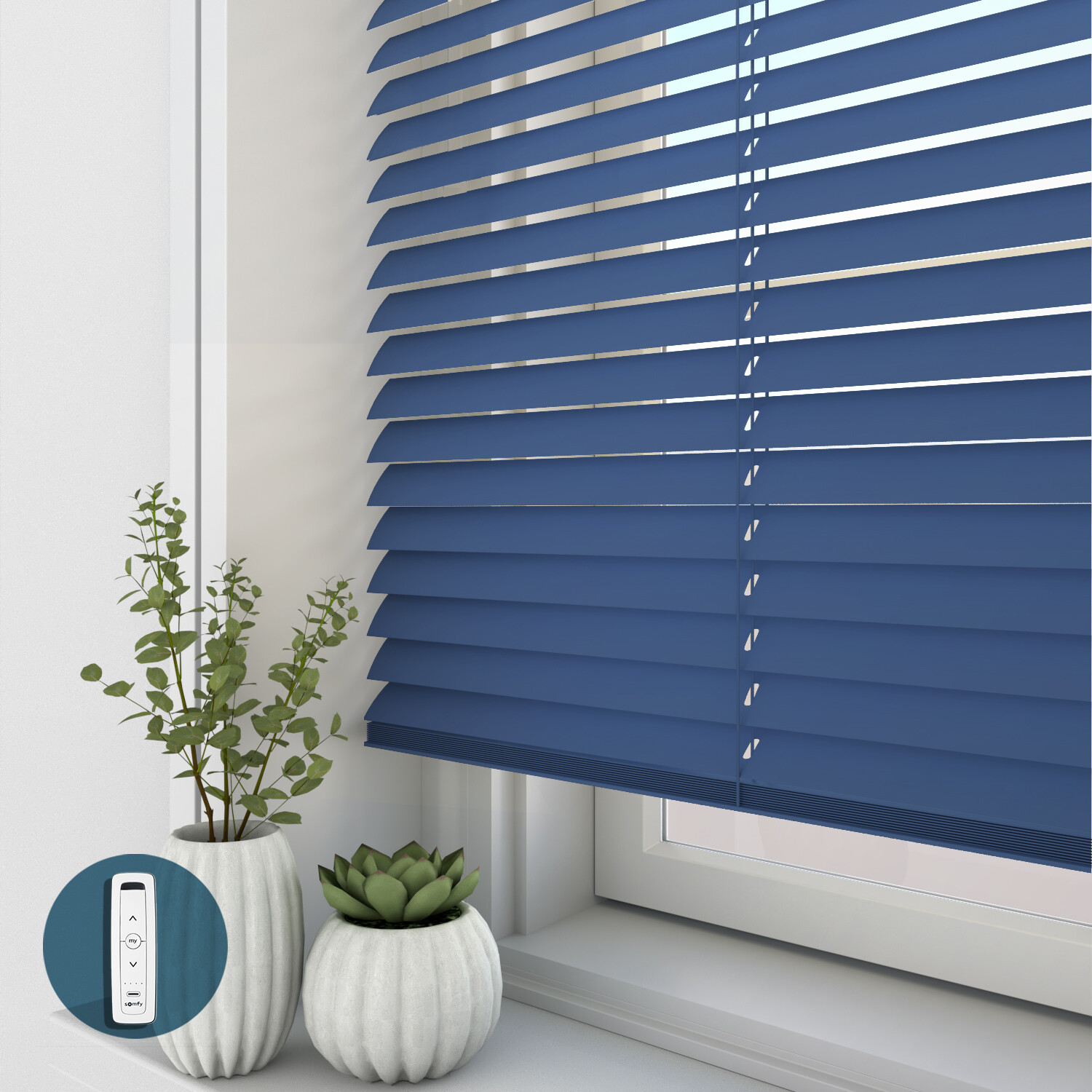
Venetian blinds feature horizontal slats that can tilt to control sunlight while maintaining airflow and visibility. Their practical design makes them suitable for homes, offices, kitchens, and workspaces where flexible light management is important. Modern interiors frequently use Venetian blinds to create clean and organized environments without overwhelming the room visually.
How Adjustable Blind Systems Improve Indoor Light Management
Light control significantly affects indoor comfort, productivity, and mood. Venetian blinds offer flexible adjustment options that allow users to manage brightness levels throughout the day.
These systems improve light management by:
- Reducing harsh glare
- Allowing partial sunlight entry
- Supporting visual comfort
- Improving daytime privacy
- Helping regulate indoor temperature
Many homeowners researching venetian blinds dubai appreciate how adjustable slats provide more control than fixed curtains or static window coverings.
The ability to angle the slats also helps balance daylight while maintaining outside visibility.
Understanding Different Materials Used in Venetian Blind Styles
Material selection influences the appearance, durability, and functionality of Venetian blinds. Different environments may require specific materials depending on humidity, sunlight exposure, and interior design goals.
Common materials include:
- Aluminum for modern minimalist spaces
- Wood for warmer natural aesthetics
- Faux wood for moisture-resistant durability
- PVC for kitchens and bathrooms
- Composite materials for mixed functionality
Each material offers unique benefits in terms of maintenance, texture, and visual impact.
Wooden blinds often create a softer and more traditional appearance, while aluminum designs support cleaner and more contemporary interiors.
Common Decorating Mistakes When Using Horizontal Blind Designs
Improper blind selection or styling can reduce the effectiveness of the overall interior design.
Frequent decorating mistakes include:
- Choosing incorrect slat sizes
- Ignoring room color balance
- Overcrowding windows with heavy decorations
- Selecting unsuitable materials for humid spaces
- Poor alignment with surrounding furniture
Balanced window treatments help maintain visual consistency and improve spatial harmony.
Many modern interiors combine blinds with subtle window shades to create layered lighting effects and additional softness.
Layering should remain simple to avoid creating unnecessary visual clutter.
Benefits of Layered Window Treatments in Modern Living Spaces
Layered window systems combine functionality with decorative flexibility. Venetian blinds are often paired with curtains or fabric panels to improve privacy and light control.
Benefits of layered designs include:
- Greater lighting flexibility
- Enhanced visual depth
- Improved insulation
- Softer interior appearance
- Better acoustic comfort
Layered systems are especially useful in large living rooms and open-plan interiors where lighting conditions change throughout the day.
Neutral fabrics combined with structured blinds often create balanced and timeless environments.
Practical Cleaning Methods for Maintaining Blind Appearance
Regular maintenance is important for keeping blinds functional and visually appealing. Dust accumulation can affect both appearance and indoor air quality.
Helpful cleaning practices include:
- Dusting slats weekly
- Using microfiber cloths
- Vacuuming with soft attachments
- Avoiding abrasive cleaning chemicals
- Cleaning stains immediately
Routine maintenance helps preserve both the finish and operating mechanism of the blinds.
Certain materials may require additional moisture protection depending on room conditions.
How Window Treatments Improve Interior Privacy and Comfort
Privacy is an important aspect of comfortable living spaces. Venetian blinds allow users to adjust visibility without completely blocking daylight.
These systems contribute to comfort by:
- Reducing outside visibility
- Softening harsh sunlight
- Improving indoor temperature balance
- Supporting better sleep conditions
- Minimizing reflective glare
Adjustable blinds are particularly useful in apartments and urban environments where neighboring buildings are close together.
The ability to control visibility while maintaining airflow makes Venetian blinds highly versatile.
Why Hardware Quality Matters for Smooth Blind Operation
Blind performance depends heavily on the quality of the supporting hardware and operating mechanisms. Poor-quality systems may become difficult to adjust over time.
Important hardware considerations include:
- Durable lifting cords
- Smooth tilt mechanisms
- Strong mounting brackets
- Reliable slat alignment
- Corrosion-resistant materials
Many homeowners exploring curtain accessories also focus on selecting hardware that improves long-term functionality and visual consistency.
Proper installation is equally important for maintaining smooth operation.
Interior Styling Approaches Using Contemporary Blind Designs
Modern interior design often emphasizes simplicity, openness, and subtle textures. Venetian blinds support these principles through their clean horizontal structure and adaptable appearance.
Popular styling approaches include:
Neutral Color Coordination
White, gray, beige, and earth tones create calm and balanced interiors.
Minimal Decorative Layering
Simple window arrangements reduce visual clutter and support modern aesthetics.
Combining Natural Textures
Wood-inspired blinds pair effectively with stone, linen, and natural flooring materials.
Enhancing Geometric Balance
Horizontal slats help reinforce clean architectural lines within contemporary spaces.
Thoughtful blind styling improves the overall atmosphere without overwhelming the room.
Conclusion
Venetian blinds continue to be a practical and elegant solution for modern interiors. Their adjustable design, wide material variety, and compatibility with different decor styles make them suitable for both residential and commercial spaces. With proper maintenance, careful material selection, and quality hardware, Venetian blinds can significantly improve lighting control, comfort, and visual harmony within a room.
FAQs
What makes Venetian blinds different from other blind styles?
Venetian blinds use horizontal adjustable slats that allow flexible control of light and privacy.
Which materials are commonly used for Venetian blinds?
Wood, aluminum, PVC, and composite materials are widely used in Venetian blind systems.
How do adjustable blinds improve indoor comfort?
They help regulate sunlight, reduce glare, and improve privacy while maintaining airflow.
Are Venetian blinds suitable for kitchens and offices?
Yes, moisture-resistant and easy-to-clean materials make them suitable for both kitchens and workspaces.
What maintenance is required for horizontal blinds?
Regular dusting, gentle cleaning, and periodic hardware inspection help preserve blind quality.
