
In every professional workspace, the right office curtains play a crucial role in creating a comfortable and productive environment. Curtains are not only functional, providing privacy and controlling light, but they also contribute significantly to the overall aesthetic of the office. Choosing the best office curtain design requires a careful balance of style, practicality, and functionality to meet the specific needs of different work areas.
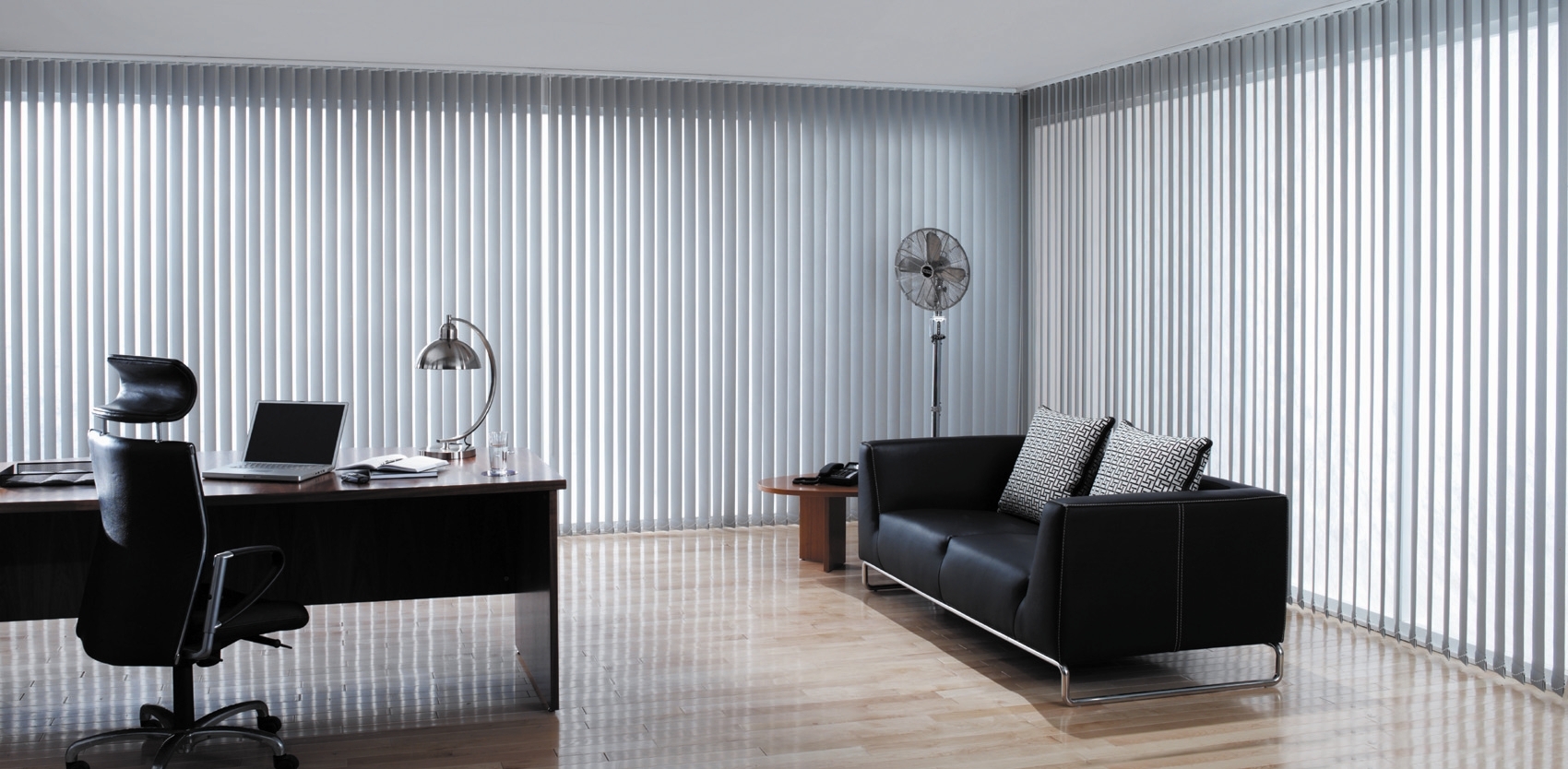
Beyond their decorative appeal, office curtains can influence employee well-being, productivity, and even energy efficiency. Natural light control, privacy management, and noise reduction are essential considerations when selecting curtains. Moreover, the fabric, color, and pattern choices can complement the office’s interior design and reinforce a professional atmosphere. Understanding these aspects ensures that the chosen window treatments enhance the work environment rather than detract from it.
With numerous styles, materials, and installation methods available, making an informed decision about office curtains can be overwhelming. This guide provides an in-depth look at the key factors to consider, practical tips, and insights into maintaining high-quality office curtains for long-term use. By the end of this article, you will be equipped with the knowledge to make a confident and informed choice for your workspace.
Understanding the importance of office curtain design in professional environments
The design of office curtains extends beyond aesthetics. Well-chosen curtains can improve focus, reduce distractions, and contribute to a welcoming atmosphere. Offices often contain large windows or glass partitions that allow natural light to flood the space. Without proper window treatments, glare on computer screens and excessive sunlight can disrupt work activities.
Additionally, office curtains play a role in creating visual boundaries. In open-plan offices, they can provide semi-private zones for meetings or focused work. Selecting a design that complements the overall décor while serving functional needs is vital. Materials, patterns, and colors should align with the office’s branding and design scheme. For instance, neutral colors often foster a calm and professional ambiance, while vibrant shades may energize collaborative spaces.
Moreover, office curtains can subtly convey a company’s identity. The style, quality, and arrangement of window treatments reflect attention to detail and a commitment to employee comfort, which can impress clients and visitors.
How natural light and privacy influence curtain choices
Natural light is an essential element in office design. It enhances mood, reduces the need for artificial lighting, and can improve productivity. However, uncontrolled sunlight can cause glare, heat buildup, and even damage sensitive office equipment. Choosing curtains that allow for adjustable light control is crucial.
Privacy is equally important, especially in offices with large windows facing streets or neighboring buildings. Curtains can provide necessary seclusion during sensitive meetings or confidential work sessions. Options like sheer panels paired with heavier drapes offer a flexible solution—allowing daylight to enter while maintaining privacy. Additionally, blinds and roller shades can complement curtains to achieve precise light and privacy management.
By carefully assessing the level of natural light and privacy needed in each workspace, office managers can select designs that enhance comfort without compromising visibility or openness.
Different types of fabrics and materials for office curtains
The choice of fabric affects both the functionality and appearance of office curtains. Each material has unique properties that cater to different requirements:
- Cotton and Linen: Lightweight and breathable, these fabrics provide a casual yet professional look. They are easy to maintain but may allow more light through.
- Polyester: Durable and resistant to fading, polyester is ideal for high-traffic areas. It can mimic the look of natural fabrics while offering longevity.
- Velvet: Luxurious and heavy, velvet blocks light effectively and enhances sound absorption, making it suitable for conference rooms or executive offices.
- Blends: Combining natural and synthetic fibers can balance aesthetics with performance. Blended fabrics often offer ease of cleaning and resistance to wear.
Selecting the right material ensures that office curtains meet the demands of everyday use while enhancing the office décor. For example, in spaces where sound control is essential, thicker fabrics such as velvet or heavy polyester can reduce ambient noise.
How to measure office windows accurately for curtain fitting
Proper measurement is fundamental to achieving a polished and functional look. Incorrect sizing can lead to curtains that are too short, too long, or inadequately cover the windows. To measure effectively:
- Determine width: Measure the width of the window frame and add extra fabric (usually 10–20%) to allow for proper pleating and overlap.
- Determine length: Measure from the curtain rod to the desired curtain endpoint, typically just above the floor for full-length drapes.
- Consider rod placement: Position the rod slightly above the window frame to create an illusion of height.
- Check for obstructions: Ensure no heating vents, radiators, or furniture interfere with curtain operation.
Professional installation can ensure precise alignment and proper draping. Engaging a curtain fitting service can also guarantee that measurements and installation are executed flawlessly.
Tips for color coordination with office interiors
Color selection for office curtains can dramatically impact the ambiance of a workspace. Matching or complementing the existing interior palette enhances cohesion and aesthetic appeal. Consider the following tips:
- Neutral shades: Whites, grays, and beiges create a clean, professional backdrop suitable for most office environments.
- Accent colors: Introducing pops of color through curtains can energize creative spaces or collaborative areas.
- Warm vs. cool tones: Warm colors evoke comfort and friendliness, whereas cool tones can make spaces feel more open and calm.
- Consistency: Ensure curtains complement furniture, walls, and flooring for a harmonious look.
For instance, pairing soft gray curtains with sleek office furniture can maintain a contemporary and professional vibe. Alternatively, using muted greens or blues can add a refreshing touch to communal areas.
Energy efficiency and soundproofing benefits of office curtains
High-quality curtains are not just decorative; they contribute to energy savings and acoustic comfort. Heavy or insulated curtains can:
- Reduce heat loss: Thick fabrics prevent heat from escaping during colder months, reducing energy costs.
- Block sunlight: Proper drapes can keep offices cooler in summer by minimizing direct sunlight penetration.
- Absorb sound: Curtains act as sound dampeners, mitigating noise from outside traffic or open-plan office chatter.
These functional advantages make curtains a valuable addition to sustainable office design. Choosing materials with insulating properties or layering curtains with blinds can further enhance energy efficiency and noise control.
Common mistakes to avoid when selecting office curtains
Several common errors can compromise the effectiveness and aesthetics of office curtains:
- Wrong size: Curtains that are too short or too narrow fail to provide adequate coverage.
- Ignoring light control: Failing to consider sunlight and glare can affect employee comfort and screen visibility.
- Overly bold patterns: Loud or clashing patterns may distract rather than enhance the workspace.
- Neglecting maintenance: Selecting fabrics that are difficult to clean can lead to premature wear or discoloration.
Avoiding these mistakes ensures curtains remain both functional and visually appealing over time.
How to maintain and clean office curtains for longevity
Maintaining curtains in office spaces is essential to preserve their appearance and functionality. Tips for proper care include:
- Regular dusting: Use a vacuum or lint roller to remove dust and debris from the fabric.
- Spot cleaning: Address stains immediately using appropriate cleaning agents for the fabric type.
- Professional cleaning: Periodically, curtains may require dry cleaning to maintain color and texture.
- Avoid prolonged sun exposure: Rotate or adjust curtains to prevent uneven fading.
Proper maintenance prolongs the life of office curtains, keeping the office environment neat and professional for years.
FAQs
What are the top trends in office curtain design?
Current trends include minimalist designs, neutral palettes, energy-efficient fabrics, and layered treatments combining blinds with drapes for versatile light control.
How can office curtains improve productivity?
Curtains help control glare, reduce distractions, and create semi-private zones, which can enhance focus and overall productivity.
Which materials are best for office curtains?
Durable fabrics like polyester blends, velvet for sound absorption, and cotton or linen for natural aesthetics are all popular choices depending on office needs.
How often should office curtains be cleaned?
Lightly used office curtains can be dusted weekly, with professional cleaning recommended every 6–12 months depending on usage and environmental factors.
Can office curtains reduce noise levels?
Yes, heavy fabrics like velvet or layered curtains can absorb sound, reducing ambient office noise and creating a quieter work environment.
How do I choose curtains for large office windows?
Measure accurately, consider light and privacy needs, select appropriate fabrics, and coordinate colors with the office décor. Professional office curtain design advice can be beneficial.
Where can I find quality curtains in Abu Dhabi?
You can explore options like curtains abu dhabi to find a variety of fabrics, designs, and professional services suitable for office spaces.
Are there budget-friendly options for office curtains?
Yes, local suppliers like dragon mart curtains offer a range of materials and styles suitable for different office needs while maintaining quality.
Choosing the best office curtain design involves more than aesthetics. By understanding functional requirements, fabric choices, light control, and maintenance, office managers can create a workspace that is visually appealing, comfortable, and productive. Incorporating professional guidance, accurate measurements, and thoughtful color coordination ensures that office curtains enhance both the atmosphere and efficiency of any professional environment. Properly selected and maintained curtains can transform an ordinary office into a well-lit, organized, and welcoming workplace for employees and clients alike.
