
Curtain rods are one of the most essential yet often overlooked components in interior design. They provide the structural support that allows curtains to function properly while also influencing the overall aesthetic of a room. Whether in modern apartments or traditional homes, understanding how curtain rods work helps improve both functionality and design harmony.
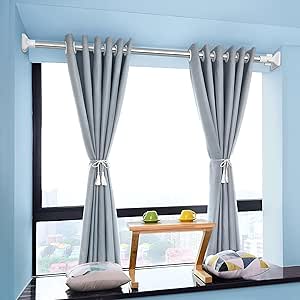
Choosing the right curtain rod involves more than just picking a metal stick to hang fabric. It requires knowledge of materials, measurements, installation techniques, and compatibility with different curtain types such as sheers or heavy blackout panels. For example, lightweight designs like sheer curtains dubai require different support compared to layered drapery systems.
In addition, sourcing options such as curtain rod solutions or bulk purchasing from curtain rods wholesale suppliers can influence both cost and durability outcomes in long-term installations.
Understanding how curtain rod systems support different curtain styles and window setups in modern interiors
Curtain rod systems are designed to hold various types of fabric weights and styles. Light fabrics require minimal support, while heavy blackout curtains need reinforced rods and brackets. The compatibility between rod strength and curtain type is crucial for maintaining stability and visual balance.
Modern interiors often use layered systems combining sheers and thick drapes. This requires double rods or track systems that allow independent movement of each layer.
Exploring the structural differences between wall mounted and ceiling mounted curtain rod designs
Wall-mounted rods are the most common and are easier to install, making them suitable for residential spaces. Ceiling-mounted rods, on the other hand, create a more dramatic floor-to-ceiling effect and are often used in contemporary designs or commercial environments.
Each system affects how curtains fall and how much light enters the room.
Learning how material choices affect durability and visual appeal of curtain hanging systems
Materials such as stainless steel, brass, and aluminum offer different levels of durability and aesthetic appeal. Stainless steel is ideal for strength, while aluminum is lightweight and corrosion-resistant. Brass adds a decorative, classic touch but may require more maintenance.
Step by step overview of measuring windows correctly before selecting curtain rod dimensions
Accurate measurement ensures proper curtain coverage and functionality. Typically, rods should extend 15–30 cm beyond the window frame on each side to allow full opening of curtains and maximize natural light.
How installation techniques influence stability and long term performance of curtain rods
Proper installation involves selecting the right wall anchors, spacing brackets evenly, and ensuring level alignment. Poor installation can lead to sagging rods and uneven curtain draping over time.
Common mistakes people make when choosing rods for heavy or layered window treatments
One common mistake is underestimating weight capacity. Another is choosing decorative rods that lack structural strength. Incorrect bracket spacing also leads to instability in layered curtain setups.
Conclusion
Curtain rods play a critical role in both function and design. By understanding materials, installation techniques, and compatibility with different curtain types, homeowners can create more durable and visually appealing window treatments that enhance interior spaces.
FAQs
What is a curtain rod used for in home design?
It supports curtains and helps control light, privacy, and decoration.
How do I choose the right size curtain rod?
Measure the window width and add extra length on both sides.
Which materials are best for curtain rods?
Steel and aluminum are commonly used for durability and strength.
How is a curtain rod installed properly?
By marking brackets, drilling anchors, and ensuring level alignment.
Why do curtain rods bend or sag over time?
Usually due to heavy fabric or improper bracket spacing.
