
Interior design increasingly focuses on creating spaces that feel calm, comfortable, and naturally balanced. Fabrics play a major role in shaping the atmosphere of a room, especially when it comes to window treatments. Among the many curtain materials available today, linen remains one of the most appreciated options because of its breathable texture, soft appearance, and timeless versatility.
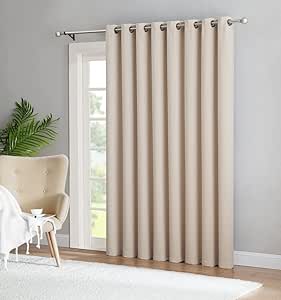
Linen curtains are commonly used in modern homes that prioritize natural lighting, relaxed aesthetics, and functional simplicity. Their lightweight structure allows sunlight to filter gently into a room while adding texture and warmth to the interior. They also complement a wide variety of design styles ranging from minimalist and Scandinavian interiors to rustic and coastal-inspired spaces.
How Natural Fabric Curtains Improve Indoor Visual Comfort
Natural fabrics contribute significantly to the visual softness of an interior. Linen curtains diffuse sunlight in a gentle way that reduces harsh glare while preserving brightness within the room.
These curtains improve visual comfort by:
- Softening direct sunlight
- Creating a relaxed atmosphere
- Reducing excessive visual contrast
- Supporting better daylight balance
- Enhancing room openness
Many homeowners exploring linen curtains appreciate how natural fabrics improve comfort without making spaces feel heavy or overly decorative.
The organic texture of linen also introduces subtle depth that works well with both contemporary and traditional interiors.
Understanding the Texture and Breathability of Linen Materials
Linen is known for its distinctive texture and breathable properties. Unlike dense synthetic materials, linen allows better airflow and contributes to a fresher indoor environment.
Important characteristics of linen include:
- Lightweight structure
- Natural fiber composition
- Soft textured appearance
- Breathable weave patterns
- Relaxed visual movement
These qualities make linen especially suitable for warm climates and bright interiors where maintaining airflow and lightness is important.
The slightly imperfect texture of linen also adds authenticity and warmth to interior spaces.
Common Styling Mistakes When Using Lightweight Curtain Fabrics
Although linen curtains create elegant interiors, improper styling can reduce their visual impact.
Common mistakes include:
- Choosing curtains that are too short
- Using fabrics that clash with wall tones
- Overcrowding windows with heavy layers
- Ignoring ceiling height proportions
- Selecting unsuitable hardware finishes
Proper curtain length is particularly important because floor-length linen curtains create a more refined and spacious appearance.
Some modern interiors coordinate lightweight curtains with architectural elements such as sliding door dragon mart systems to maintain smooth transitions between open living spaces.
Balanced styling helps maintain harmony between window treatments and surrounding furniture.
How Neutral Curtain Colors Support Contemporary Home Designs
Neutral colors continue to dominate modern interior trends because they create calm and adaptable environments. Linen fabrics naturally complement these design principles due to their soft and understated tones.
Popular neutral curtain shades include:
- White
- Beige
- Sand
- Light gray
- Warm earth tones
Neutral curtains improve interior design by:
- Enhancing natural lighting
- Supporting visual openness
- Matching diverse furniture styles
- Reducing visual clutter
- Creating timeless aesthetics
These tones work especially well in minimalist interiors that emphasize simplicity and comfort.
Practical Maintenance Tips for Preserving Linen Curtain Quality
Linen fabrics require proper care to maintain their softness, texture, and durability over time.
Helpful maintenance methods include:
- Gentle washing with mild detergents
- Avoiding excessive heat during drying
- Vacuuming regularly to reduce dust buildup
- Protecting fabric from prolonged moisture exposure
- Ironing carefully when necessary
Natural fabrics may wrinkle more easily than synthetic materials, but many homeowners appreciate this relaxed appearance because it enhances the authenticity of the material.
Routine maintenance helps preserve both the texture and lifespan of linen curtains.
Ways to Combine Soft Fabrics With Minimal Interior Decorations
Minimalist interiors often rely on texture rather than excessive decoration to create visual interest. Linen curtains fit naturally into these environments because they add softness without overwhelming the space.
Helpful styling approaches include:
- Pairing linen with wood furniture
- Combining soft textiles with stone surfaces
- Using layered neutral fabrics
- Incorporating indoor plants for warmth
- Keeping decorative accessories simple
Balanced textures create interiors that feel calm and visually comfortable.
Modern homes also sometimes integrate layered shading systems such as blackout blinds behind linen curtains to improve privacy and nighttime light control.
This combination allows homeowners to maintain softness during the day while achieving better darkness when needed.
Why Natural Light Works Well With Textured Curtain Materials
Natural light interacts beautifully with textured fabrics like linen. Instead of creating sharp shadows or harsh brightness, linen diffuses light softly across the room.
Benefits of combining linen with natural daylight include:
- Softer room ambiance
- Improved visual warmth
- Reduced glare
- Enhanced perception of space
- More balanced lighting throughout the day
The texture of linen also changes subtly depending on sunlight direction, adding gentle movement and depth to the interior.
Rooms with large windows especially benefit from the calming effect of diffused natural light.
Modern Window Styling Ideas for Relaxed Living Environments
Contemporary homes increasingly favor relaxed and functional styling rather than heavily decorative interiors. Linen curtains support this trend because of their effortless appearance and versatility.
Popular modern styling ideas include:
Ceiling-to-Floor Curtain Placement
Long curtains create visual height and improve spatial balance.
Soft Layered Lighting
Combining linen curtains with warm interior lighting creates cozy evening environments.
Natural Material Coordination
Wood, linen, stone, and woven textures work together to create calm and organic interiors.
Open and Airy Window Layouts
Lightweight curtains maintain brightness while preserving softness and privacy.
These styling approaches help interiors feel welcoming, uncluttered, and visually balanced.
Conclusion
Linen curtains remain one of the most versatile and timeless window treatment options for modern interiors. Their breathable texture, soft appearance, and ability to diffuse natural light make them suitable for a wide variety of design styles. With thoughtful styling, proper maintenance, and balanced coordination with surrounding materials, linen curtains can significantly improve both comfort and visual harmony within contemporary living spaces.
FAQs
What makes linen curtains popular in modern interiors?
Their natural texture, breathable structure, and soft appearance make them suitable for calm and minimalist spaces.
How do natural fabrics affect indoor comfort?
Natural fabrics improve airflow, soften lighting, and contribute to a more relaxed indoor atmosphere.
Are linen curtains suitable for warm climates?
Yes, linen is breathable and lightweight, making it appropriate for warmer environments.
What is the best way to maintain linen curtain fabrics?
Gentle cleaning, avoiding excessive heat, and regular dust removal help preserve linen quality.
Which interior styles work best with linen curtains?
Minimalist, Scandinavian, coastal, rustic, and contemporary interiors commonly use linen curtains.
