
Office design plays an important role in shaping productivity, comfort, and professionalism. While furniture, lighting, and layout often receive the most attention, window treatments are equally important. Curtains help regulate light, maintain privacy, and contribute to the overall atmosphere of a workplace. Choosing the right curtain solution can make a noticeable difference in how employees experience the workspace.
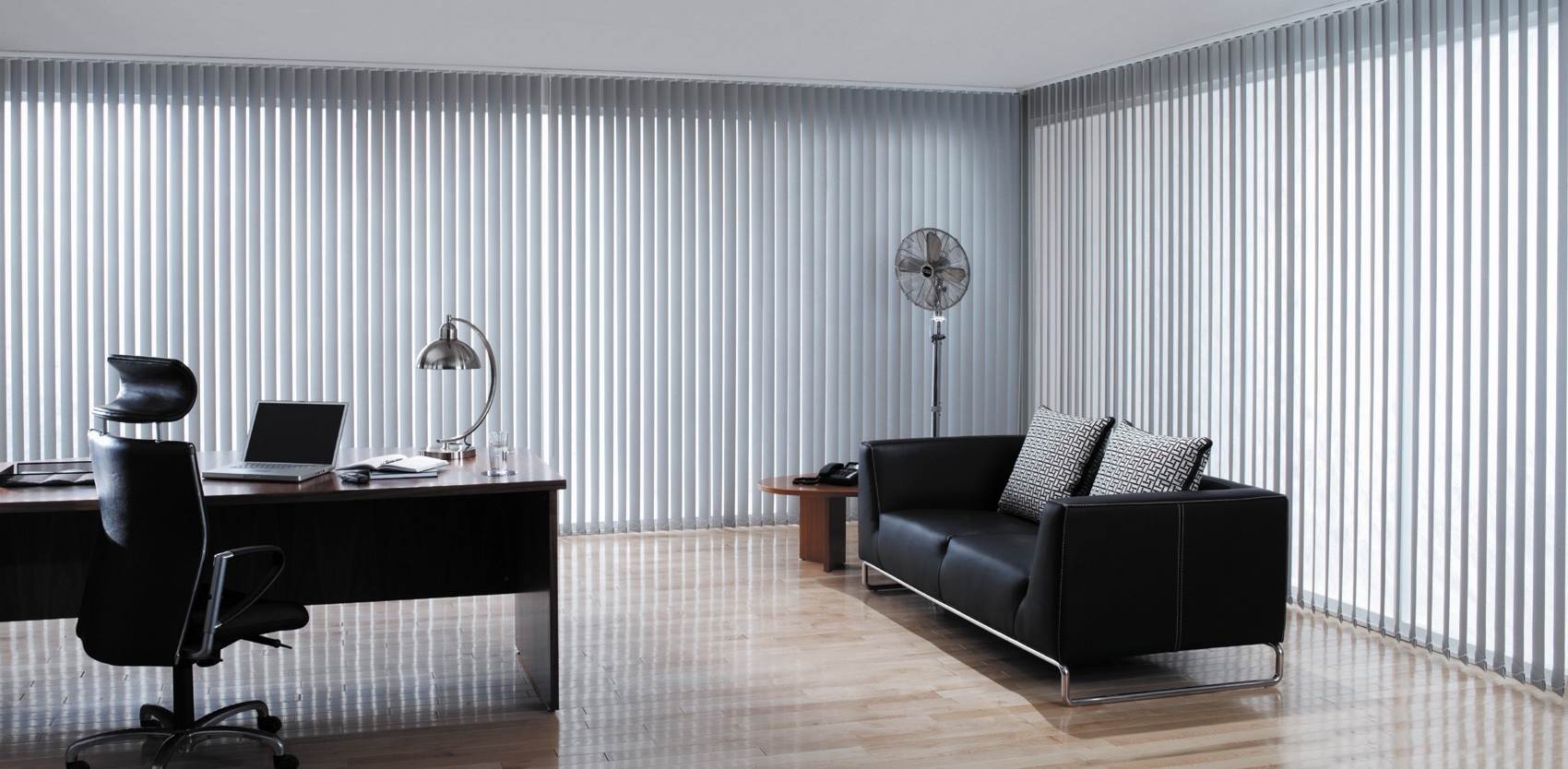
Many offices face common challenges related to windows, such as glare on computer screens, excessive sunlight during the afternoon, or a lack of privacy in meeting rooms. Curtains provide a practical way to address these issues while maintaining a professional interior design. Understanding the key considerations behind selecting an office curtain helps businesses create workspaces that are functional and visually balanced.
This guide explains the essential factors to consider before choosing curtains for workplace environments.
Understanding the role of curtains in controlling office lighting, privacy, and workspace atmosphere
Curtains serve several purposes in a workplace beyond simple decoration. Their primary role is to regulate natural light entering the office. Too much sunlight can cause glare and discomfort, while too little light can make a workspace feel dull and enclosed.
A well-chosen curtain system helps offices maintain balanced lighting throughout the day. Curtains also help control privacy in environments where glass walls and large windows are common.
Key functions of office curtains include:
- Managing sunlight and glare during working hours
- Improving employee comfort near windows
- Creating privacy in meeting rooms and executive offices
- Enhancing the professional look of the workplace
- Supporting temperature regulation near large windows
Many companies explore curated design examples and guidance, such as resources featuring an office curtain, to understand how different styles work in modern offices.
Differences between blackout, sheer, and layered curtain styles used in professional offices
Different types of curtain styles provide varying levels of light control and privacy. Selecting the right type depends largely on the function of the space where the curtains will be installed.
Sheer curtains
Sheer curtains allow natural light to pass through while softening its intensity. They are ideal for spaces where brightness is desirable but glare must be minimized.
Typical uses include:
- Reception areas
- Open workspaces
- Creative studios
Blackout curtains
Blackout curtains are made with thick materials that block nearly all outside light. These are commonly used in spaces where presentations or digital displays are frequently used.
Common applications include:
- Conference rooms
- Training rooms
- Media presentation areas
Layered curtain systems
Layered curtains combine multiple fabrics, such as sheer inner layers and heavier outer panels. This design provides flexibility because users can adjust light levels throughout the day.
Layered solutions are especially useful for offices that experience changing sunlight conditions.
How curtain hardware and mounting systems affect durability and ease of daily use in workplaces
Curtain hardware is often overlooked, but it plays a critical role in the performance and longevity of window treatments. In busy workplaces, curtains may be opened and closed many times each day, which requires durable hardware systems.
Important hardware components include:
- Curtain rods or tracks
- Mounting brackets
- Rings or hooks
- Sliding track systems
Strong hardware ensures smooth movement and prevents operational issues over time. Offices often rely on durable mounting systems such as curtain rails because they support heavier curtain fabrics and allow consistent daily use without difficulty.
High-quality rails also distribute the curtain weight evenly, reducing strain on the fabric and extending its lifespan.
The importance of fabric thickness and lining for reducing glare on office computer screens
One of the most common problems in office environments is glare caused by sunlight hitting computer monitors. Curtains with appropriate fabric thickness help control this issue effectively.
Curtain thickness influences how much light enters a room. Thicker fabrics block more sunlight, while lighter fabrics filter light gently.
Important fabric characteristics include:
- Opacity – Determines how much light is blocked
- Weave density – Influences glare reduction
- Fabric lining – Adds an extra layer of light control
In offices where screen visibility is essential, lined curtains provide an additional layer that improves glare control without completely blocking daylight.
Balancing brightness and glare reduction ensures that employees can work comfortably throughout the day.
How window coverings contribute to acoustic comfort and reduced distractions in offices
Curtains do more than manage light. They also contribute to acoustic comfort inside office spaces. Hard surfaces such as glass windows can reflect sound, increasing noise levels in busy workplaces.
Fabric window coverings help absorb sound and reduce echo within rooms.
Acoustic benefits of curtains include:
- Softening sound reflections from glass surfaces
- Reducing outside noise entering through windows
- Improving speech clarity in meeting rooms
- Creating a quieter and more focused work environment
These benefits become particularly noticeable in open-plan offices where multiple teams work in shared spaces.
Curtains therefore serve both functional and environmental roles within office interiors.
Design considerations for selecting curtain colors that support focus and productivity in workspaces
Color selection plays an important role in workplace design. Curtains should complement the office interior while supporting a calm and professional environment.
Neutral colors are commonly preferred in professional settings because they create a balanced and focused atmosphere.
Popular office curtain colors include:
- Light gray for modern corporate spaces
- Beige or cream for warm professional interiors
- White for minimalist offices
- Soft blue or green tones for calming environments
Color should also coordinate with the following elements:
- Office furniture
- Flooring materials
- Wall paint
- Decorative accents
In some environments, darker fabrics may be chosen to improve light blocking and privacy. For example, some offices install options like blackout curtains abu dhabi in meeting rooms where full light control is necessary.
Choosing the right color helps maintain visual harmony throughout the workspace.
How to coordinate curtains with blinds and other window treatments for functional office interiors
Modern offices often combine multiple window treatments to create more flexible lighting control. Curtains and blinds can work together to address different lighting needs throughout the day.
Common combinations include:
- Sheer curtains with roller blinds for flexible brightness control
- Heavy curtains paired with vertical blinds for large windows
- Dual-layer curtains combined with blackout blinds for presentation rooms
This layered approach provides several advantages:
- More precise control over sunlight levels
- Improved privacy options
- Enhanced interior design flexibility
Businesses exploring integrated window solutions often consider providers specializing in complete systems such as curtains and blinds dubai when planning coordinated window treatments.
Combining curtains with other coverings ensures that offices can easily adapt to changing lighting conditions.
Long-term maintenance tips for keeping office curtains clean and presentable in busy environments
Office curtains experience frequent exposure to dust, pollutants, and daily use. Without proper maintenance, they can lose their appearance and functionality over time.
Regular care helps maintain both hygiene and visual quality.
Recommended maintenance practices include:
Routine cleaning
Curtains should be vacuumed or lightly dusted regularly to remove surface debris.
Scheduled professional cleaning
Depending on the fabric type, professional cleaning may be needed once or twice a year.
Hardware inspection
Curtain rails, rods, and hooks should be checked periodically to ensure smooth movement.
Fabric condition monitoring
Fabrics should be inspected for fading, fraying, or damage near high-contact areas.
Regular maintenance not only keeps curtains looking professional but also extends their lifespan.
Conclusion
Curtains are an essential element in modern office design. They influence lighting conditions, privacy, acoustic comfort, and the overall appearance of a workspace. Choosing the right curtains requires careful consideration of fabric type, mounting hardware, color coordination, and daily usability.
By understanding the differences between curtain styles and integrating them with other window treatments, businesses can create environments that support both productivity and visual harmony. Proper maintenance ensures that these window coverings continue to perform effectively over time.
Thoughtful curtain selection ultimately contributes to a more comfortable and efficient workplace for employees and visitors alike.
FAQs
What is the purpose of installing curtains in office spaces?
Curtains help control natural light, improve privacy, reduce glare on computer screens, and contribute to the professional appearance of the workplace.
How do blackout curtains help improve workplace comfort?
Blackout curtains block outside light completely, which is useful in meeting rooms, presentation spaces, or offices where glare must be eliminated.
What curtain materials work best for offices with large windows?
Medium-weight fabrics and layered curtain systems are often suitable because they allow adjustable light control while maintaining a professional look.
How often should office curtains be cleaned or maintained?
Office curtains should be lightly cleaned regularly and professionally cleaned periodically depending on fabric type and workplace conditions.
Can office curtains help reduce glare on computer monitors?
Yes. Curtains made from thicker or lined fabrics can filter sunlight effectively, helping reduce glare and improve screen visibility for employees.
