
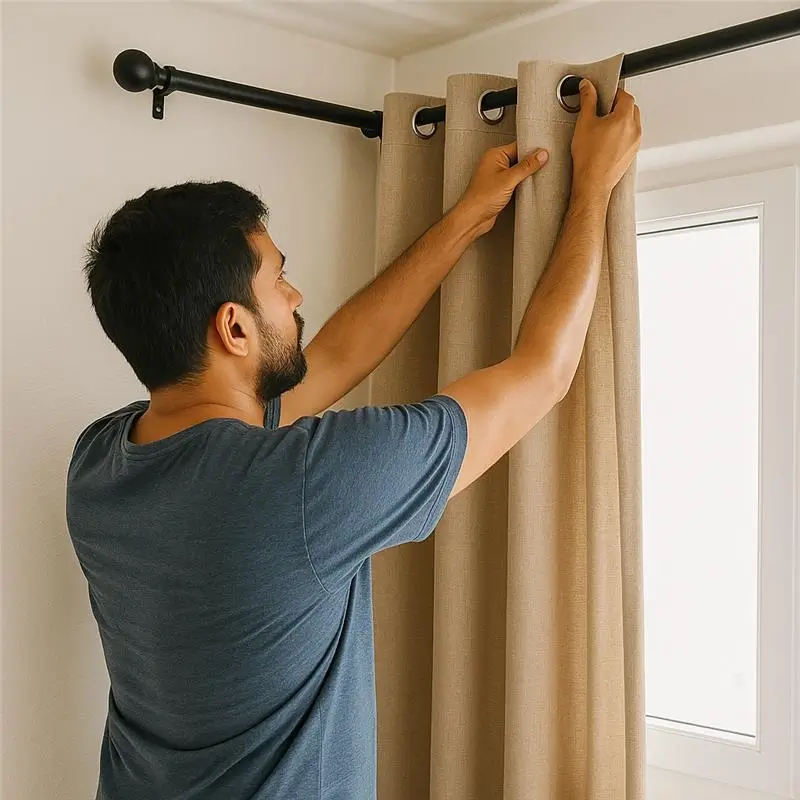
Curtain hardware often receives less attention than fabric or color, yet it plays a decisive role in how window treatments look and function. The right hook can determine whether curtains hang elegantly or appear uneven and unstable. From lightweight sheers to heavy decorative drapes, each fabric demands specific support and structure.
Modern interiors require more than simple installation. They demand durability, seamless integration with décor, and practical performance. Choosing appropriate hooks ensures longevity and prevents sagging or tearing over time. In this comprehensive guide, we explore how curtain hooks impact style, installation, and long-term usability while helping you create a perfectly balanced curtain setup.
How to Choose the Right Curtain Hooks for Different Fabric Types and Weights
Selecting the appropriate curtain hook begins with understanding fabric weight and density. Lightweight fabrics such as lace or sheer panels require slim, discreet hooks that maintain flow without adding visible bulk. Heavier materials demand reinforced hooks capable of supporting substantial weight without bending.
Fabric structure also affects hook selection. Pleated curtains typically use pin hooks inserted into heading tape, while eyelet styles require alternative hanging systems. Matching hook strength to curtain weight prevents strain on rods and brackets.
When working with luxurious fabrics like velvet drapes, stronger metal pin hooks are often recommended. These distribute weight evenly and maintain symmetrical folds.
Key considerations include:
- Fabric thickness and density
- Curtain length and width
- Rod type and diameter
- Desired curtain movement
By aligning hook type with fabric characteristics, homeowners achieve both visual harmony and structural reliability.
Types of Curtain Hooks and Their Best Applications in Modern Interiors
Curtain hooks come in various styles, each designed for specific applications. Understanding these types simplifies installation and enhances aesthetic outcomes.
Common hook types include:
- Pin hooks for pleated headings
- S-hooks for decorative rods
- Clip rings for casual or industrial interiors
- Hidden hooks for seamless finishes
Modern interiors often favor concealed hardware to create a clean appearance. Hidden hooks maintain smooth curtain lines while supporting even weight distribution.
For homeowners seeking premium finishing touches similar to collections offered by sedar curtains uae, hook selection becomes even more important. High-end drapery demands hardware that complements luxury fabrics and refined detailing.
Additionally, decorative hooks can serve as subtle design elements. Matte black finishes suit contemporary spaces, while brass tones complement classic interiors. Ultimately, choosing the correct type ensures both practical support and cohesive style integration.
Installation Methods That Ensure Strong and Long-Lasting Curtain Support
Proper installation determines whether curtain hooks perform effectively over time. Even high-quality hooks fail when incorrectly fitted or paired with weak rods.
First, measure spacing accurately. Even distribution prevents sagging and ensures balanced pleats. Hooks should be inserted uniformly along the heading tape or aligned precisely with ring systems.
Second, verify rod capacity. Heavy curtains require rods with reinforced brackets secured firmly into wall studs or anchors. This prevents long-term structural damage.
When installing curtain hooks, follow these practical steps:
- Mark bracket placement carefully
- Use appropriate wall anchors
- Test rod stability before hanging curtains
- Adjust hook height for consistent hem alignment
Routine inspection after installation also extends durability. Tightening loose brackets and checking hook integrity helps maintain flawless curtain presentation for years.
Styling Tips to Match Curtain Hooks with Luxury Drapery Designs
Curtain hooks influence not only functionality but also visual refinement. Thoughtful styling ensures hooks complement rather than distract from drapery design.
In minimalist interiors, hidden hooks create a floating curtain effect. This approach highlights fabric texture without visible hardware interruptions. Conversely, decorative hooks can add character in eclectic or vintage settings.
Color coordination is equally important. Match metallic finishes with curtain rods, lighting fixtures, or furniture hardware. Consistency enhances design cohesion.
Layered window treatments benefit from adjustable hooks. By modifying hook height, designers achieve precise fabric pooling or clean floor-level alignment.
Additionally, consider curtain fullness. Proper hook spacing creates symmetrical pleats and structured draping. Too few hooks cause stretching, while excessive hooks restrict movement. Balanced styling ensures elegant flow and enhances the overall atmosphere of any room.
Common Mistakes to Avoid When Installing Curtain Hardware
Many installation problems stem from overlooked details. Avoiding these common mistakes saves time and preserves curtain quality.
One frequent issue is underestimating curtain weight. Lightweight plastic hooks often fail when supporting heavy materials. Always match hardware strength to fabric density.
Improper spacing is another common error. Uneven hook placement leads to distorted pleats and inconsistent curtain fall. Measuring and marking positions beforehand eliminates this problem.
Other mistakes include:
- Mounting brackets too low
- Using inadequate wall anchors
- Ignoring rod weight capacity
- Overstretching heading tape
Additionally, neglecting future maintenance can shorten hardware lifespan. Periodically checking hook stability and rod alignment prevents unexpected failures. With careful planning and attention to detail, homeowners can achieve a professional and long-lasting curtain installation.
Conclusion
Curtain hooks may appear minor, yet they form the foundation of a successful window treatment system. Proper selection, installation, and styling create balance between beauty and structural integrity.
By understanding fabric requirements, choosing suitable hook types, and avoiding common mistakes, homeowners ensure their curtains remain elegant and secure. Investing in quality hardware pays long-term dividends through improved durability and enhanced interior presentation. Ultimately, the right curtain hook transforms ordinary window treatments into refined design statements.
FAQs
What types of curtain hooks are best for heavy fabrics?
Metal pin hooks are ideal for heavy fabrics because they provide strong support and distribute weight evenly across pleats.
How do I install curtain hooks properly?
Insert hooks evenly along the heading tape, measure bracket placement accurately, and ensure the rod is securely mounted with appropriate anchors.
Are curtain hooks suitable for velvet drapes?
Yes, reinforced metal hooks work especially well for dense fabrics like velvet, maintaining structured folds without bending.
How often should curtain hooks be replaced?
Hooks should be inspected annually and replaced if they show bending, rust, or weakened grip.
Can curtain hooks affect curtain appearance?
Absolutely. Proper hook spacing and type determine pleat symmetry, curtain flow, and overall visual elegance.
