
Office interiors influence productivity, concentration, and employee comfort more than many people realize. Lighting, acoustics, color balance, and furniture arrangement all contribute to how efficiently a workspace functions. Among these elements, window treatments often play a critical role in controlling light, maintaining privacy, and supporting a professional atmosphere.
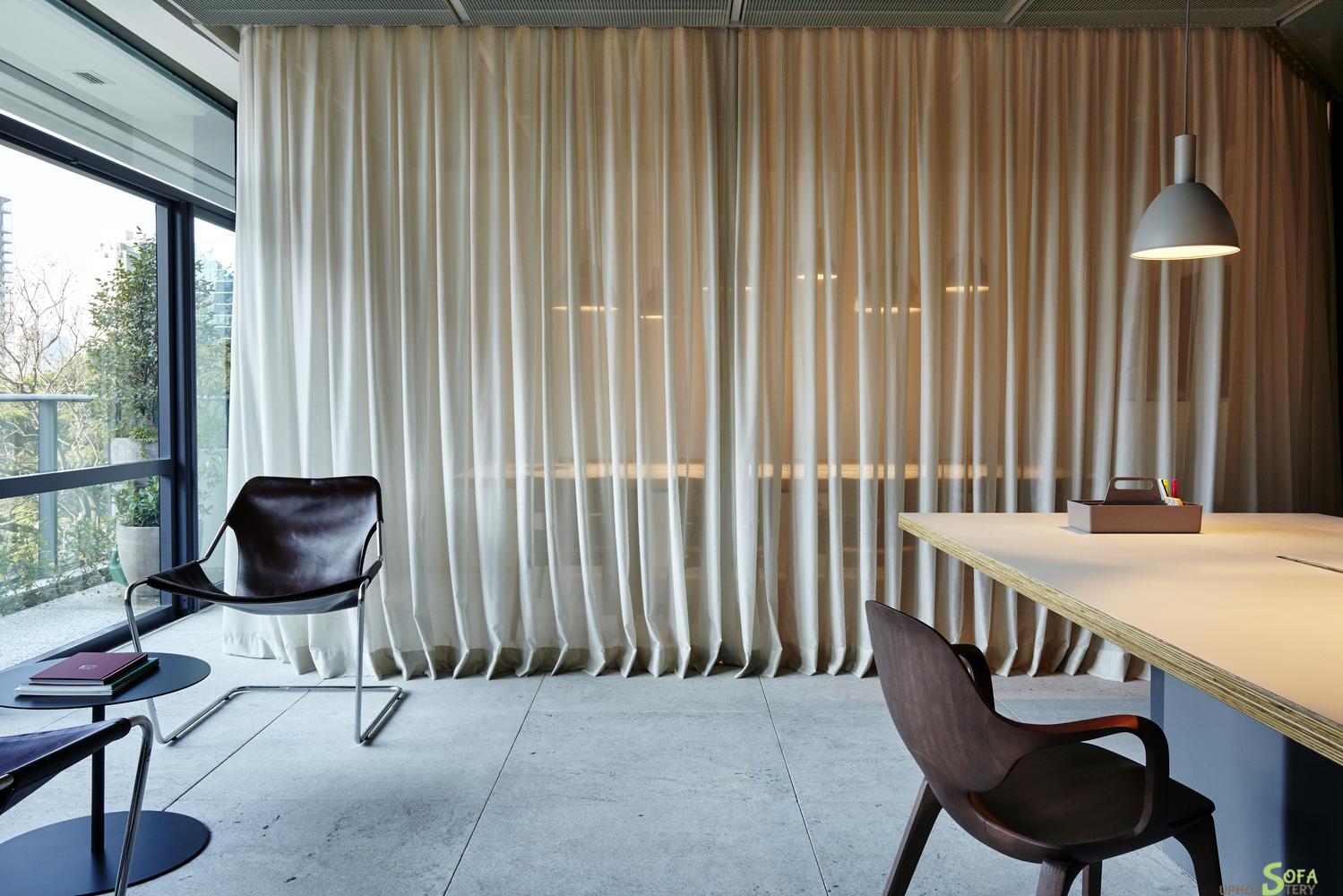
Curtains designed for office environments need to balance functionality with visual simplicity. They should reduce glare, support comfort during long working hours, and integrate smoothly with the overall interior design. Modern office spaces increasingly prioritize adaptable solutions that improve both aesthetics and practicality.
How Window Treatments Influence Office Comfort and Focus
Window coverings directly affect how comfortable a workspace feels throughout the day. Excessive sunlight can create glare on screens, increase room temperature, and reduce concentration. Proper curtains help regulate lighting while supporting a calmer work environment.
Some important workplace benefits include:
- Reduced screen glare
- Improved privacy during meetings
- Better indoor temperature control
- Softer natural lighting
- Enhanced acoustic comfort
Businesses exploring office curtains ideas often focus on achieving a balance between professional appearance and employee comfort.
Comfortable environments contribute to reduced visual fatigue and improved concentration levels over time.
Important Fabric Choices for Professional Interior Environments
Fabric selection is essential when designing functional office spaces. Different materials provide varying levels of privacy, light filtration, and maintenance requirements.
Popular office curtain fabrics include:
- Polyester blends for durability
- Linen blends for softer aesthetics
- Blackout materials for meeting rooms
- Sheer fabrics for open workspaces
- Acoustic textiles for noise reduction
Low-maintenance materials are especially valuable in busy workplaces where regular cleaning must remain simple and efficient.
Heavy fabrics may work well in executive offices, while lighter fabrics are often preferred in collaborative spaces that require brighter environments.
Common Office Curtain Styling Mistakes to Avoid Completely
Poorly chosen window treatments can negatively affect workplace functionality and aesthetics.
Common mistakes include:
- Selecting overly decorative fabrics
- Ignoring natural light direction
- Using curtains that are too short
- Installing hardware incorrectly
- Choosing colors that reduce focus
Professional interiors benefit from clean lines and balanced textures rather than excessive decoration.
Modern dubai curtain solutions often emphasize simplicity and practicality for corporate spaces.
Overly dark interiors may also reduce employee energy levels, making proper lighting balance important.
How Natural Light Management Improves Workplace Productivity
Natural daylight has been linked to improved mood and concentration. However, uncontrolled sunlight can become uncomfortable during working hours.
Curtains help regulate daylight by:
- Diffusing harsh sunlight
- Reducing overheating
- Preventing reflective glare
- Supporting visual consistency
- Improving comfort near windows
Flexible lighting management allows employees to remain comfortable throughout changing daylight conditions.
Layered systems can also help create adaptable environments suitable for presentations, meetings, and focused work sessions.
Benefits of Minimalist Curtain Designs in Modern Offices
Modern workplaces increasingly favor minimalist design because it supports organization and visual clarity. Minimal window treatments contribute to cleaner and more focused interiors.
Minimalist curtain systems provide:
- Simplified maintenance
- Better spatial openness
- Reduced visual distractions
- Easier integration with office furniture
- Timeless design appeal
Neutral tones such as white, gray, beige, and muted earth shades are commonly used because they maintain a calm and professional atmosphere.
Simple curtain folds and concealed tracks also contribute to a more polished appearance.
Ways to Coordinate Curtains With Office Furniture and Decor
Successful office interiors rely on visual consistency between furniture, flooring, wall finishes, and window treatments.
Helpful coordination techniques include:
- Matching curtain tones with seating fabrics
- Using subtle textures instead of bold patterns
- Balancing natural and artificial lighting
- Coordinating curtain lengths with window proportions
- Choosing hardware finishes that match office fixtures
Businesses researching satwa curtain shops may focus on selecting window treatments that align with contemporary office layouts and professional aesthetics.
Balanced coordination creates more organized and visually comfortable environments.
Maintenance Tips for Long-Lasting Office Window Treatments
Office curtains experience continuous exposure to sunlight, dust, and daily use. Regular maintenance helps preserve their appearance and performance.
Useful maintenance practices include:
- Vacuuming fabric surfaces regularly
- Cleaning stains immediately
- Inspecting curtain tracks periodically
- Avoiding excessive moisture exposure
- Rotating curtains when necessary
Routine care improves fabric lifespan and helps maintain a cleaner indoor environment.
Dust accumulation can also affect air quality, particularly in enclosed office spaces with limited ventilation.
Why Privacy and Acoustics Matter in Office Curtain Selection
Modern offices often require solutions that support both confidentiality and comfort. Curtains contribute to acoustic softness by reducing sound reflection from hard surfaces such as glass and concrete.
Privacy-focused curtain systems are particularly valuable in:
- Meeting rooms
- Executive offices
- Shared workspaces
- Reception areas
- Video conference rooms
Acoustic improvements help reduce distractions while supporting more focused communication.
Layered fabrics can also improve privacy without making interiors feel overly enclosed.
Conclusion
Office curtains are an important component of productive workplace design. They influence lighting, privacy, acoustics, and overall employee comfort. By selecting suitable fabrics, maintaining visual simplicity, and coordinating window treatments carefully with interior elements, businesses can create workspaces that support both professionalism and efficiency.
FAQs
What curtain styles work best for office interiors?
Minimalist curtains with neutral colors and simple folds are commonly preferred for modern office environments.
How can curtains improve workplace productivity?
Curtains reduce glare, regulate lighting, and improve comfort, helping employees maintain focus.
Which fabrics are easiest to maintain in offices?
Polyester blends and durable synthetic materials are generally easier to clean and maintain.
Why is natural light control important in workspaces?
Balanced lighting reduces eye strain, improves mood, and creates more comfortable working conditions.
How often should office curtains be cleaned?
Light cleaning should be performed regularly, while deeper cleaning depends on dust exposure and fabric type.
