
Lighting plays a crucial role in workplace productivity, comfort, and overall atmosphere. While many offices rely heavily on artificial lighting, natural light remains one of the most valuable elements for creating a pleasant and efficient work environment. However, without proper window treatments, natural light can create glare, heat buildup, or insufficient privacy. That is why carefully planned window coverings are an important part of office design.
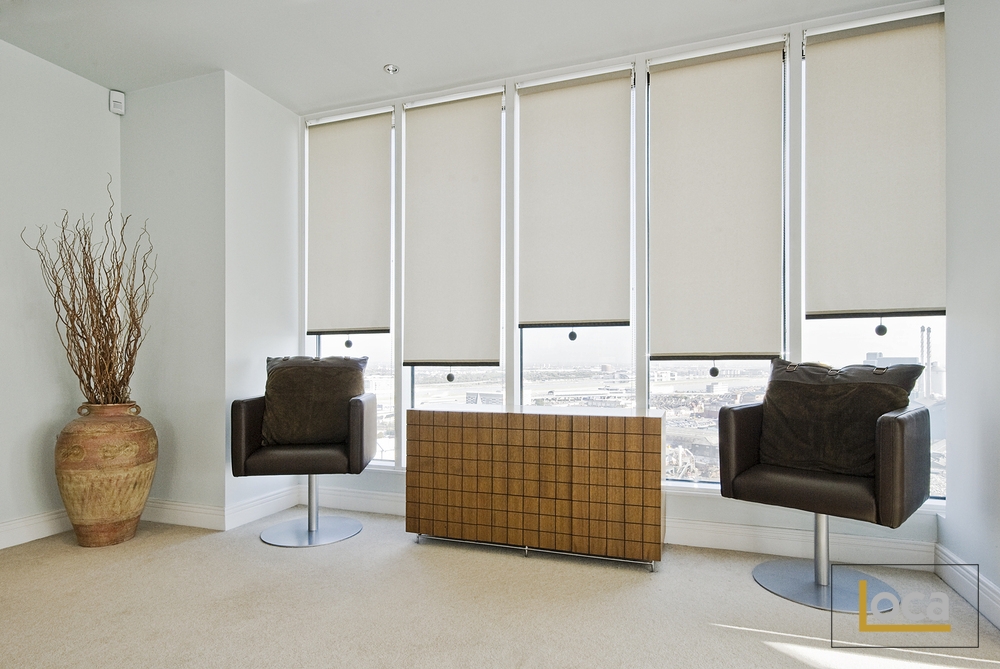
Curtains are one of the most versatile solutions for controlling workplace lighting. With the right style, material, and placement, they can balance brightness, reduce glare, and enhance the professional appearance of a workspace. Exploring thoughtful office curtain ideas can help businesses design work environments that are both functional and visually appealing.
This guide explains how curtain choices influence workplace lighting and how businesses can use them effectively to improve comfort and productivity.
How workplace curtain choices influence natural light, productivity, and employee comfort throughout the day
Natural light has been linked to improved mood, better concentration, and reduced eye strain. However, uncontrolled sunlight can also cause discomfort, especially in offices with large windows or glass walls.
Curtains allow offices to regulate light levels throughout the day without blocking it completely. When properly selected, they help create a balanced lighting environment that supports daily work activities.
Key benefits of effective curtain choices include:
- Reduced glare on computer screens
- Balanced natural light during working hours
- Improved temperature control near windows
- Increased employee comfort during long work sessions
Layered curtains are often used in workplaces because they allow flexible control. Sheer layers soften sunlight while heavier fabrics provide privacy or full light blocking when needed.
Key factors to consider when selecting curtain styles for professional office environments and meeting rooms
Selecting curtains for a professional environment requires more than choosing a design that looks good. Curtains should support functionality while maintaining a professional appearance.
Important factors to evaluate include:
- Window size and layout
Large windows may require floor-length curtains or layered solutions to ensure proper coverage and light control.
- Workplace activities
Meeting rooms, collaborative spaces, and private offices may require different levels of privacy and light management.
- Interior design theme
Curtains should complement the existing décor, furniture, and wall colors of the office.
- Ease of operation
Curtains in workplaces should be easy to open and close, especially in shared areas where multiple people may adjust them.
When exploring practical design options, many interior planners gather inspiration from curated collections such as office curtain ideas, which showcase different styles suitable for workspaces.
How different curtain fabrics affect privacy, glare reduction, and indoor temperature control in offices
Curtain fabric plays a major role in how effectively a window covering manages light and privacy. Each type of material offers distinct advantages depending on office requirements.
Sheer fabrics
Sheer curtains allow natural light to enter while diffusing harsh sunlight. They are ideal for:
- Open workspaces
- Creative studios
- Collaborative office environments
Medium-weight fabrics
These fabrics provide partial privacy while still allowing filtered light. They work well for:
- Individual offices
- Small meeting rooms
- Reception areas
Heavy fabrics or blackout materials
Thicker materials provide maximum light control and privacy. They are commonly used in:
- Conference rooms
- Presentation spaces
- Multimedia rooms
Fabric thickness also influences insulation. Heavier materials help stabilize indoor temperatures by reducing heat from sunlight and minimizing heat loss near windows.
Creative ways to combine curtains with blinds for better light management and workspace flexibility
In many offices, combining different window treatments offers greater flexibility than using a single solution. Curtains can be paired with blinds to create layered lighting control.
Common combinations include:
- Sheer curtains with roller blinds for flexible daylight filtering
- Heavy curtains with vertical blinds for large windows
- Layered curtains with blackout blinds for conference rooms
These combinations allow employees to adjust brightness levels depending on the time of day or type of activity.
For example, during presentations or video calls, blinds can reduce glare while curtains maintain a polished appearance. Offices looking for integrated window solutions often explore options like blinds abu dhabi to complement curtain installations.
Modern color and texture combinations that support professional office interior design themes
Curtain colors influence the visual atmosphere of an office. While bold colors may work in creative spaces, many professional environments prefer neutral tones that promote focus and calmness.
Popular office curtain color choices include:
- Soft gray for a modern, professional appearance
- Beige or cream for warm and welcoming spaces
- White or off-white for bright and minimalist interiors
- Muted blue or green for calming environments
Texture also contributes to the overall design. Subtle woven fabrics add depth without distracting from the workspace.
To maintain consistency, designers often match curtain tones with elements such as:
- Office furniture
- Carpet or flooring
- Wall paint
- Decorative accents
The goal is to create a balanced interior where window treatments enhance rather than dominate the room.
How curtain placement and window coverage impact visual balance and office aesthetics
Curtain placement significantly affects how large or spacious an office appears. Strategic installation can make windows look taller and improve the overall balance of the room.
Common placement techniques include:
Mounting curtains above the window frame
Installing curtain rods slightly higher than the window frame can create the illusion of taller ceilings.
Extending curtain width beyond the window
Allowing curtains to extend wider than the window ensures that more natural light enters when they are open.
Using floor-length curtains
Long curtains add elegance and help create a cohesive look, particularly in executive offices or conference rooms.
Hardware also plays an important role. Smooth-gliding curtain systems improve usability in workplaces where curtains are adjusted frequently. Many offices use durable systems such as curtain dragon mart to support large or heavy curtain installations.
Maintenance considerations for office curtains in high-traffic workplaces and shared environments
Office curtains require regular maintenance to ensure they remain clean and functional. Because workplaces often experience high foot traffic, dust and pollutants can accumulate quickly.
Maintenance practices typically include:
- Routine dusting or vacuuming of curtain surfaces
- Periodic professional cleaning depending on fabric type
- Inspecting hardware for smooth operation
- Checking for fabric wear near frequently used areas
Ignoring maintenance can lead to faded fabrics, damaged curtain mechanisms, or poor appearance in client-facing spaces.
If curtains are combined with blinds, those systems may also require servicing. Offices occasionally rely on services such as window blinds repair to restore proper function when blinds become misaligned or damaged.
Regular maintenance ensures that window treatments continue to perform well and maintain a professional look.
Practical design tips for choosing curtains for large office windows and open-plan spaces
Large windows are common in modern office buildings, offering expansive views and abundant natural light. However, they also require thoughtful curtain solutions to avoid glare and overheating.
Here are several design tips for large office windows:
Use layered systems
Combining sheer and heavier curtains allows offices to adjust light levels easily.
Divide curtains into sections
Multiple curtain panels can make large installations easier to operate and maintain.
Choose durable fabrics
Workplace curtains should withstand frequent use without losing their shape or color.
Coordinate with lighting design
Curtains should work alongside ceiling lights and task lighting to maintain consistent brightness throughout the day.
Consider motorized systems
In large spaces, automated curtain systems can simplify adjustments and improve efficiency.
With careful planning, large windows can become one of the most attractive features of a workspace rather than a source of lighting challenges.
Conclusion
Curtains are more than decorative elements in office environments. They play an essential role in managing natural light, enhancing comfort, and supporting productivity throughout the workday. By selecting appropriate fabrics, colors, and installation methods, businesses can create workspaces that balance functionality with visual appeal.
Thoughtful curtain design also contributes to employee well-being by reducing glare, improving privacy, and stabilizing indoor temperatures. When integrated with other window treatments and maintained properly, office curtains can significantly enhance the overall quality of a workplace environment.
FAQs
What factors should be considered when choosing curtains for an office environment?
Important factors include window size, light control requirements, privacy needs, fabric durability, and compatibility with the overall office interior design.
How do office curtains affect natural lighting and screen visibility?
Curtains help filter sunlight and reduce glare on computer screens, making it easier for employees to work comfortably without excessive brightness.
Which curtain fabrics are most suitable for professional workplaces?
Common choices include sheer fabrics for daylight diffusion, medium-weight materials for balanced light control, and heavier fabrics for privacy and glare reduction.
Can curtains help improve workplace comfort and productivity?
Yes. Properly selected curtains reduce eye strain, regulate temperature near windows, and create a more comfortable environment for employees.
What are the common mistakes to avoid when selecting office window coverings?
Common mistakes include choosing fabrics that block too much light, ignoring window size when selecting curtain panels, and failing to consider maintenance requirements for workplace environments.
