
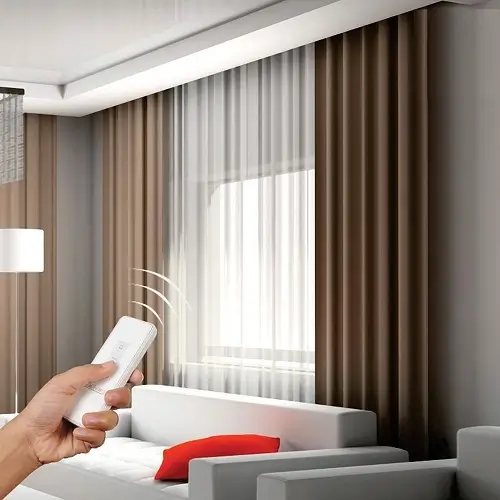
Modern homes are increasingly adopting automation to improve comfort, efficiency, and convenience. Window treatments are no exception. Automated curtain systems are transforming how people control natural light, privacy, and indoor temperature without relying on manual adjustments throughout the day.
Understanding how these systems function, what components they require, and how they compare to traditional setups can help homeowners make informed decisions. This guide explores the technology, structure, benefits, and practical considerations behind automated curtain solutions in a detailed and informative way.
What Makes Automated Curtain Systems Different From Traditional Window Treatments
Traditional curtains rely entirely on manual operation. You pull them open in the morning, close them at night, and adjust them throughout the day as needed. While simple and functional, this approach can become inconvenient—especially in rooms with large windows or hard-to-reach areas.
Automated curtain systems differ in several key ways:
- They use electric motors to move curtains smoothly along tracks.
- Operation can be controlled via remote control, smartphone apps, or voice assistants.
- Some systems can be programmed on schedules.
- Sensors may adjust curtains automatically based on sunlight or room temperature.
Unlike conventional setups that depend heavily on manual components such as curtains hooks, automated systems use motorized carriers designed to glide along specialized tracks. This shift from mechanical to electronic control allows for precision, consistency, and integration with other smart home devices.
Another major difference lies in scalability. Automated curtains can manage multiple window sections simultaneously, making them particularly useful in open-plan living spaces and properties with floor-to-ceiling glass.
How Motorized Curtain Technology Integrates With Modern Smart Home Systems
One of the defining features of automated curtains is their compatibility with smart home ecosystems. Integration allows homeowners to centralize control and create synchronized routines.
Common integration capabilities include:
- Voice activation through digital assistants
- Smartphone app control from anywhere
- Scheduled opening and closing times
- Automation based on sunrise and sunset cycles
- Linking curtain operation with lighting and HVAC systems
For example, curtains can automatically close during peak sunlight hours to reduce indoor heat gain, helping maintain a stable indoor temperature. When paired with smart thermostats, this can contribute to more efficient energy usage.
The connectivity typically relies on Wi-Fi, Bluetooth, Zigbee, or similar communication protocols. A central hub may coordinate multiple devices, allowing automated curtains to become part of a broader home automation strategy rather than functioning as isolated window treatments.
Key Components Required for Installing Intelligent Curtain Solutions
Automated curtain systems consist of several essential components that work together:
- Motor Unit – Drives the movement of the curtain along the track.
- Curtain Track System – Designed specifically for motorized operation.
- Power Supply – Either wired to the home’s electrical system or powered by rechargeable batteries.
- Control Mechanism – Remote, wall switch, smartphone app, or integrated smart hub.
- Mounting Hardware – Supports the track and motor securely.
Unlike traditional setups that rely heavily on decorative curtain rods to bear weight and provide structure, automated systems use reinforced tracks built to support motorized motion. These tracks must be precisely aligned to ensure smooth operation and prevent long-term strain on the motor.
Additional optional components may include:
- Light sensors
- Temperature sensors
- Backup battery systems
- Manual override switches
Each component plays a crucial role in ensuring durability, reliability, and safe operation over time.
Benefits of Automated Light Control for Energy Efficiency and Comfort
Light control is not just about aesthetics; it directly influences energy consumption and indoor comfort. Automated curtains allow for precise light management throughout the day.
Key benefits include:
- Reduced solar heat gain during hot afternoons
- Improved insulation during colder months
- Protection of furniture from UV exposure
- Enhanced sleep quality through scheduled blackout settings
- Increased privacy without manual effort
By programming curtains to close during peak sunlight hours, homeowners can reduce the strain on cooling systems. In colder climates, closing curtains at night adds a layer of insulation, helping retain indoor warmth.
When using smart curtains, automation ensures consistent performance without relying on daily manual adjustments. Over time, this consistency contributes to both energy efficiency and improved indoor comfort.
Understanding Installation Requirements and Electrical Considerations
Installing automated curtain systems involves more planning than traditional window coverings. Electrical access and structural support must be considered carefully.
Important factors include:
- Proximity to power outlets
- Concealed wiring for aesthetic purposes
- Ceiling or wall mounting capability
- Structural reinforcement for heavier curtains
- Access for maintenance and repairs
Wired systems may require professional electrical installation to ensure compliance with safety standards. Battery-powered models offer flexibility and are easier to retrofit into existing homes but may require periodic charging.
Measurement accuracy is also critical. Improper alignment can result in uneven curtain movement, motor strain, or premature wear. Planning installation during renovation or construction phases often simplifies the process, especially when integrating the system into smart home infrastructure.
Comparing Manual and Remote-Controlled Curtain Mechanisms in Detail
Manual and automated curtain systems each have unique characteristics. Understanding their differences can clarify whether automation is appropriate for a specific environment.
Manual Systems
- Simple and cost-effective
- No reliance on electricity
- Minimal maintenance
- Suitable for smaller windows
Remote-Controlled Systems
- Operate via remote or smartphone
- Offer programmable scheduling
- Reduce physical strain
- Ideal for large or high windows
Manual systems depend on physical interaction, which may be impractical in certain settings, such as double-height living rooms or offices with extensive glazing.
Automated systems provide enhanced convenience and safety. For example, reducing the need to climb furniture to reach tall windows lowers the risk of accidents. Additionally, smooth motorized operation often extends the lifespan of curtain fabrics by minimizing tugging and uneven pulling.
Maintenance Tips to Keep Automated Curtains Functioning Smoothly
While automated curtain systems are designed for durability, proper maintenance ensures optimal performance.
Recommended maintenance practices include:
- Regularly cleaning tracks to prevent dust buildup
- Checking motor alignment periodically
- Inspecting mounting brackets for stability
- Updating firmware if connected to smart systems
- Testing manual override functions occasionally
Dust and debris accumulation can hinder smooth movement, causing unnecessary strain on the motor. Gentle cleaning with a dry cloth or vacuum attachment can help maintain track efficiency.
For battery-powered systems, monitoring battery health is essential. Replacing or recharging batteries on schedule prevents unexpected interruptions in operation.
Routine inspections also allow early detection of unusual noises or irregular movement, which can signal the need for professional servicing.
Common Mistakes to Avoid When Planning Smart Window Coverings
Planning mistakes can compromise both functionality and aesthetics. Avoiding these common errors ensures better long-term satisfaction:
- Ignoring Fabric Weight Compatibility
Heavy fabrics require stronger motors and reinforced tracks. - Overlooking Power Access
Lack of nearby outlets may complicate installation. - Incorrect Measurements
Even slight miscalculations can affect performance. - Failing to Consider Sun Exposure Patterns
Automation settings should align with actual sunlight conditions. - Neglecting Integration Compatibility
Ensure the system works with existing smart home platforms.
Proper planning should involve assessing window dimensions, desired curtain style, fabric thickness, and integration preferences. Consulting technical specifications before installation reduces the likelihood of system inefficiencies or compatibility issues.
Conclusion
Automated curtain systems represent a significant advancement in modern window treatments. By combining motorized operation with smart technology integration, they provide improved light control, energy efficiency, and convenience.
From understanding key components and installation requirements to comparing manual and automated systems, informed planning plays a vital role in successful implementation. With thoughtful setup and routine maintenance, automated curtains can enhance both comfort and functionality in residential and commercial environments.
FAQs
- How do automated curtains connect to smart home systems?
They typically connect through Wi-Fi, Bluetooth, or smart hubs using compatible communication protocols. Integration allows remote control, voice commands, and scheduling through dedicated apps or platforms. - Can motorized curtains be installed on existing tracks?
In some cases, yes. However, many systems require specialized tracks designed to support motorized movement and weight distribution. Compatibility should be verified before retrofitting. - Are automated curtains energy efficient?
Yes. When programmed correctly, they help regulate indoor temperatures by controlling sunlight exposure, reducing reliance on heating and cooling systems. - Do smart curtain systems require professional installation?
While some battery-operated systems can be installed independently, wired installations often require professional assistance to ensure safe electrical connections and proper alignment. - What maintenance is required for motorized curtain systems?
Routine cleaning of tracks, checking motor alignment, inspecting brackets, and ensuring battery or power supply stability are essential maintenance practices. - Can automated curtains work during power outages?
Some systems include battery backup options or manual override features, allowing limited operation during power interruptions.
